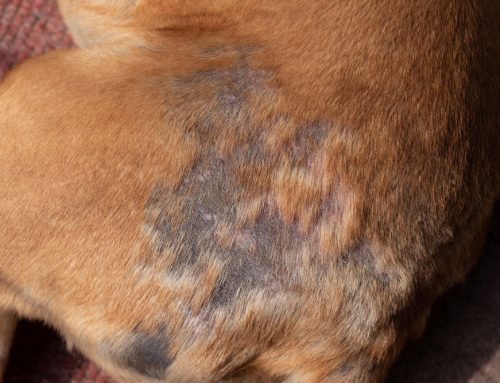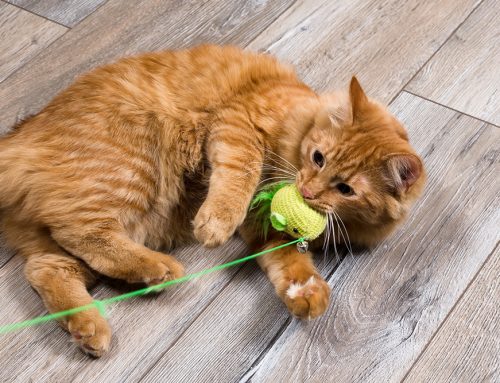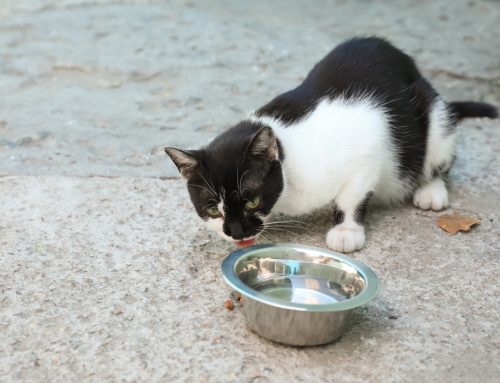

Most puppies and kittens are already carrying intestinal parasites by the time you bring them home, passed along by their mother: puppies can be infected before birth as well as through her milk, and kittens pick them up while nursing. Everything after that comes from the world around them, where roundworm eggs survive in soil for years, hookworm larvae hatch into the ground and get in through skin or mouth, tapeworms arrive inside a flea swallowed during grooming, and a shared yard or litter box passes it along. Because exposure starts that early and keeps repeating, deworming begins within the first few weeks of life and continues on a set schedule rather than waiting for symptoms. An infected puppy or kitten usually looks fine until the burden is heavy enough to cost them weight, blood, or growth.
Palisades Veterinary Hospital in Fountain Hills meets new puppies and kittens every week, and finding worms at that first appointment is ordinary news rather than a sign that something went wrong at home. Our AAHA-accredited hospital handles the testing and the repeat doses on schedule, so a diagnosis that sounds alarming turns into a few routine visits. Arizona keeps coccidia, giardia, and tapeworm in steady circulation, and parasite testing and prevention stays part of your pet's care through that first year. Once your puppy or kitten is home, get their first visit on the calendar and we will start them on the right schedule.
Deworming Puppies and Kittens: Four Things to Know First
- Puppies and kittens are often infected before they ever step outside, through the placenta or their mother's milk, so deworming starts in the first few weeks of life instead of waiting for symptoms.
- Each dose reaches only the adult worms in the intestine at that moment, which is why the schedule repeats every two weeks through the early months to catch the larvae maturing behind them.
- A stool test tells us which parasite is there, since coccidia and Giardia aren't worms and don't respond to a routine dewormer.
- Several of these parasites can pass to people, with young children most likely to pick them up, so hand washing and daily yard cleanup are part of the plan.
What Kind of Worms Is My Puppy or Kitten Likely to Have?
Roundworms and hookworms account for most of what we find in puppies and kittens, with whipworms and tapeworms behind them. Each one gets in a different way: through the mother, through the soil, or inside a swallowed flea. The parasite we find tells us what needs to change at home.
- Roundworms: the most common intestinal parasite in young dogs and cats, and the eggs they shed can stay infective in soil for years. Adults grow several inches long and look like spaghetti in stool or vomit.
- Hookworms: passed to nursing puppies and kittens in their mother's milk, and they feed on blood from the intestinal wall, so in a very young patient that loss can become life-threatening anemia within days. A puppy whose gums look white or who has gone weak needs to be seen, and we take urgent cases during our open hours.
- Whipworms: a dog can shed whipworm eggs in uneven bursts, so one clean stool result doesn't rule them out in a dog with ongoing soft stool and regular outdoor access. They're primarily a dog problem, and risk climbs with time on shared ground like dog parks.
- Tapeworms: a puppy or kitten gets tapeworms by swallowing an infected flea during grooming, so the rice-grain segments near the tail are usually the first visible evidence of a flea problem in the house. Treating the worm without treating the fleas resets the whole cycle.
What If the Problem Is Coccidia or Giardia Instead?
A recently rehomed puppy who finishes every deworming dose and still has watery diarrhea may be dealing with coccidia, a single-celled parasite that roundworm dewormers don't touch. Giardia spreads through microscopic cysts that survive in standing water and cling to fur, so a treated pet can reinfect themselves from their own coat mid-course. A routine flotation can miss both, so diarrhea that hasn't answered to a dewormer needs a different test, and coccidia and Giardia each need their own prescription medication.
Keeping your pet from swallowing those cysts again is part of the treatment:
- Bathe partway through the course: a bath with attention to the hind end and tail rinses cysts off the coat before your pet swallows them again.
- Pick up stool the same day, every day: bag it rather than hosing it into the yard, and empty the litter box on the same rhythm.
- Wash bedding and hard surfaces: hot water for bedding and towels, a disinfectant for crates, bowls, and litter pans, then let everything dry fully, since the cysts don't tolerate drying.
When Do the Doses Start, and When Do They Stop?
The standard deworming schedule begins around two weeks of age and repeats every two weeks until eight to sixteen weeks, with monthly prevention taking over from there. Two weeks is about how long a larva needs to become an egg-laying adult once it reaches the intestine, so dosing on that rhythm catches each batch before it sheds into the yard.
| Age | What usually happens | Why then |
| 2 to 3 weeks | First dose, often given to the whole litter | Prenatal and nursing infections already established |
| Every 2 weeks until 8 to 16 weeks | Repeat doses, with a stool test along the way | Clears larvae that have since matured |
| From about 8 weeks | Monthly prevention begins and continues year-round | One product covers heartworm and intestinal worms |
| Through the first year | Stool testing at checkups | Confirms the plan is holding and catches protozoa |
Puppy and kitten wellness visits carry the vaccine series through the same weeks, so one appointment usually handles the weight check, the dose, and whatever vaccine is due.
How Do You Know Which Dewormer My Puppy or Kitten Needs?
The answer comes from a weight check and a stool sample. Every dewormer is dosed by body weight, and a six-week-old puppy can outgrow a dose in a couple of weeks. Fecal testing then tells us which parasites are there, because no single dewormer covers them all.
The usual test is a fecal flotation, which floats parasite eggs out of a stool sample so they can be read under a microscope. Other tests might be recommended depending on what organisms we're looking for. Some samples need antigen screening, which looks for parasite proteins rather than eggs, and some need PCR testing, which looks for DNA of parasites, bacteria, and viruses. Our laboratory handles that testing and our doctors will explain to you which test we recommend and why.
A repeat stool test is worth running in a few situations:
- Diarrhea that keeps coming back: loose stool returning after a negative result.
- A shelter or crowded-litter history: heavy, ongoing exposure before you brought them home.
- A new pet in the house: a new arrival can bring in parasites the resident pets haven't met.
- After treatment for coccidia or Giardia: to confirm it has cleared.
We give the medication and set the next date before you leave. Most dewormers are a flavored liquid or paste for the youngest patients and a tablet or chewable for bigger ones, and some monthly preventives are a topical applied between the shoulder blades.
Dosing by guess is where home deworming goes wrong. A tablet sized for a 20-pound dog is an overdose for a four-pound kitten, and a product aimed at one parasite leaves the rest in place. Never use a dewormer labeled for livestock or borrow one meant for another species in the house.
What Should I Watch for After a Dose?
A soft stool for a day afterward is normal. Repeated vomiting, blood in the stool, gums that look white instead of pink, or a puppy or kitten who won't eat are a different matter, and if any of that starts after a dose, give us a call so we can get your pet in.
Why Does Deworming Take More Than One Dose?
The dewormer you give today reaches the adult worms in the intestine today and nothing else. Intestinal parasites also live as migrating larvae in muscle and other tissue, where the medication can't reach them, and those larvae keep arriving in the intestine after each dose. Each repeat dose clears the group that matured since the last one.
Some larvae go dormant instead, sitting in tissue for months, and in a pregnant dog they can reactivate and travel to the litter before birth, which is how a mother with a negative stool test still delivers infected puppies. Re-exposure fills the gap from the other direction: a puppy who eats dirt or licks their feet after a walk is picking up eggs between doses, and that soil stays infective long after the dog who left the eggs has moved on.
Can My Puppy or Kitten Have Worms and Still Look Healthy?
Many puppies and kittens with worms look bright and play like nothing is wrong. The first sign is easy to explain away: diarrhea tends to get pinned on a food change or the move to a new house, and the stool test never happens. The signs worth watching for are the quiet ones:
- A pot-bellied look: a round belly on a puppy or kitten who is thin everywhere else.
- Slow growth: steady eating without the weight gain that should come with it.
- A dull coat: fur that looks rough or stops filling in.
- On-and-off soft stool: loose one day and normal the next, sometimes with mucus or a streak of blood.
- Coughing: migrating roundworm larvae pass through the lungs, so a cough in a puppy or kitten isn't always a respiratory infection.
- Pale gums or sudden low energy: a sign of real blood loss, and the one that needs to be seen that day.
Sudden diarrhea isn't always worms. Parvovirus in puppies and panleukopenia in kittens cause it too, usually with vomiting and a pet who crashes quickly, so sudden diarrhea in an unvaccinated or partly vaccinated puppy or kitten needs a same-day exam rather than another dose of dewormer.
A worm burden caught on schedule means a dose of medication and a recheck. The same burden caught because a kitten went weak and stopped eating can mean hospitalization.
Do the Doses Keep Going Through an Arizona Winter?
Winter in Fountain Hills doesn't clear the ground. Year-round parasite prevention replaced the old seasonal approach because an off-season lapse is when an infection takes hold unnoticed, and Arizona's mild winters don't shut mosquitoes down the way a hard freeze does.
Heartworm prevention is a monthly chewable or topical dose, and most monthly products cover roundworms and hookworms in the same dose. Treating an established heartworm infection means months of injections and strict exercise restriction, and for cats there's no approved treatment at all.
What Raises My Pet's Parasite Risk?
Two kittens the same age can need different plans, because risk follows how a pet lives.
- Outdoor access and hunting: a cat who catches lizards or rodents, or a dog who eats what they find on a trail, is swallowing whatever those animals carried.
- Shared ground and group stays: dog parks and common areas concentrate eggs where many dogs have been, so prevention needs to be current before a boarding stay or an afternoon at the park.
- Other animals on the property: horses, goats, and chickens, and the manure that comes with them, add exposure a suburban yard doesn't have.
- Fleas in the house: a flea problem is a tapeworm problem waiting to happen, in cats especially, since grooming is how the flea gets swallowed.
- Multi-pet households and littermates: one infected pet reinfects the others through a shared box or yard, so treatment usually covers everybody at once.
Bring those details to the next checkup and our doctors will build the plan around them.
How Do I Keep the Worms From Reaching My Family?
Several of these infections move from pets to people. Zoonotic parasites, meaning the ones that pass from animals to humans, reach a household through roundworm eggs on unwashed hands, hookworm larvae that get in through bare skin, and Giardia cysts carried on a pet's coat. Tapeworm transmission needs a swallowed flea, so that route stays rare and almost always involves a small child.
Children are the ones who tend to pick it up, digging in the dirt where the puppy went and then eating a snack without washing. People whose immune systems are suppressed, whether by chemotherapy, a transplant, or an illness, are more likely to get seriously ill if an infection takes hold.
| Where the risk comes from | What cuts it down |
| Soil and sandboxes where pets go | Cover sandboxes, and wash hands after yard play |
| Stool left in the yard | Pick up daily, before eggs mature |
| Bare feet and gardening | Shoes outside and gloves in the beds, since hookworm larvae get in through skin |
| A pet's coat and face | Hand washing after handling, and no face licking for kids |
| The litter box | Keep it away from play areas and scoop daily |
More Worm Questions From New Puppy and Kitten Owners
Will an over-the-counter dewormer do the job?
Pet store dewormers usually target one or two parasites, most often roundworms, and leave whipworms, tapeworms, coccidia, and Giardia untouched. Dosing is the other catch: these products are measured for a weight range, and a growing puppy moves through those ranges quickly. If you've already given one, bring the package to the visit so we know what's on board.
Is it normal to see worms in my pet's stool after treatment?
Seeing worms is common and means the medication is working. Roundworms are big enough to spot in stool or vomit for a day or two, and tapeworm segments look like rice grains and may keep appearing for several days. Not seeing them doesn’t mean it didn’t work; most are too small to see with the naked eye.
My kitten never goes outside. Do they still need deworming?
Indoor kittens get dewormed on the same early schedule, because the most likely source is their mother, long before they came home. Fleas arrive on a dog, a visitor, or your own shoes, and one swallowed flea is all a tapeworm needs. Monthly prevention also covers heartworm, which a single mosquito indoors can deliver. The plan can lighten for an indoor cat as they grow, and that's worth asking about at their next checkup.
Your Puppy or Kitten's First-Year Parasite Plan in Fountain Hills
Worms in a new puppy or kitten are one of the most fixable problems of that first year, and staying on the schedule is what keeps it that way. Schedule your puppy or kitten's next visit at Palisades Veterinary Hospital in Fountain Hills and we'll sort out the doses, the testing, and the right monthly product together.