The Pet Owner’s Toolkit for Healthy Teeth and Gums at Home
You are settling in for some quality couch time when your dog yawns and you catch a whiff of something that makes you rethink that cuddle session. Or maybe you have been meaning to start brushing your cat’s teeth for months but keep putting it off because you’re not ready for the wrestling match. If dental care feels like one more thing on an already long to-do list, you are not alone. The good news? You don’t need to be perfect, and there are a lot of options that work well. So which products actually work, and which ones will your pet tolerate? That is exactly what we are here to help you figure out.
At Palisades Veterinary Hospital in Fountain Hills, we guide pet owners toward dental home care products and techniques that fit into real life. Our preventative medicine approach includes comprehensive dental assessments and personalized recommendations based on your pet’s mouth and your daily schedule. Request an appointment to talk through options, and we will help you build a routine that protects your pet’s teeth without creating daily battles.
Why Does Dental Home Care Matter So Much?
Plaque starts forming on teeth within hours of eating. If it stays in place, minerals in saliva harden it into tartar, which bonds to enamel and irritates the gumline. That irritation leads to gingivitis (red, inflamed gums), and if left untreated, it progresses to periodontal disease, where infection destroys the structures that hold teeth in place. The damage does not stop at the mouth. Bacteria from infected gums can enter the bloodstream and affect the heart, kidneys, and liver.
Daily or frequent home care slows this process dramatically by disrupting plaque before it hardens. But home care complements professional treatment; it does not replace it. Professional dental cleanings under anesthesia allow us to scale above and below the gumline, polish teeth, probe for periodontal pockets, and take dental radiographs to find disease hiding beneath the surface. We integrate professional care with daily habits during wellness visits and dental consultations.
Why Is Toothbrushing the Gold Standard?
Brushing physically disrupts the bacterial biofilm before it can harden into tartar. Even a quick pass over the outer tooth surfaces reduces plaque, protects the gumline, and keeps breath fresher. Daily brushing is ideal, but brushing every other day still provides strong benefits. If your pet only tolerates brief sessions, that is okay. Consistency over time matters more than perfection on any single day.
How Do You Get Started With Brushing?
The key is going slowly and making it positive. Start by touching your pet’s muzzle and lips without any tools. Once they are comfortable with that, lift the lips to gently touch teeth and gums with your finger. Next, add a pea-sized amount of pet-safe toothpaste to your finger and let them taste it. Progress to a soft-bristled brush or finger brush, focusing on the outer surfaces and gumline where plaque builds fastest. Always use toothpaste formulated for pets, never human toothpaste.
If your pet is anxious about mouth handling, cooperative care techniques can help. These methods use rewards and gradual exposure to desensitize pets to handling, turning dental care into something they tolerate rather than dread. We are happy to demonstrate brushing techniques in the exam room. Bring your brush and toothpaste to your next visit and we will walk you through the first steps. Contact us or request an appointment to schedule a hands-on demonstration.
What Is the Best Technique for Dogs vs. Cats?
The basic principles are similar, but the approach differs between species. For dogs, detailed guidance on brushing dog teeth shows how to position yourself, angle the brush at 45 degrees against the gumline, and work systematically from the large back teeth forward. Most dogs do well with you behind or beside them, and focusing on the outer surfaces (cheek side) covers where plaque accumulates most.
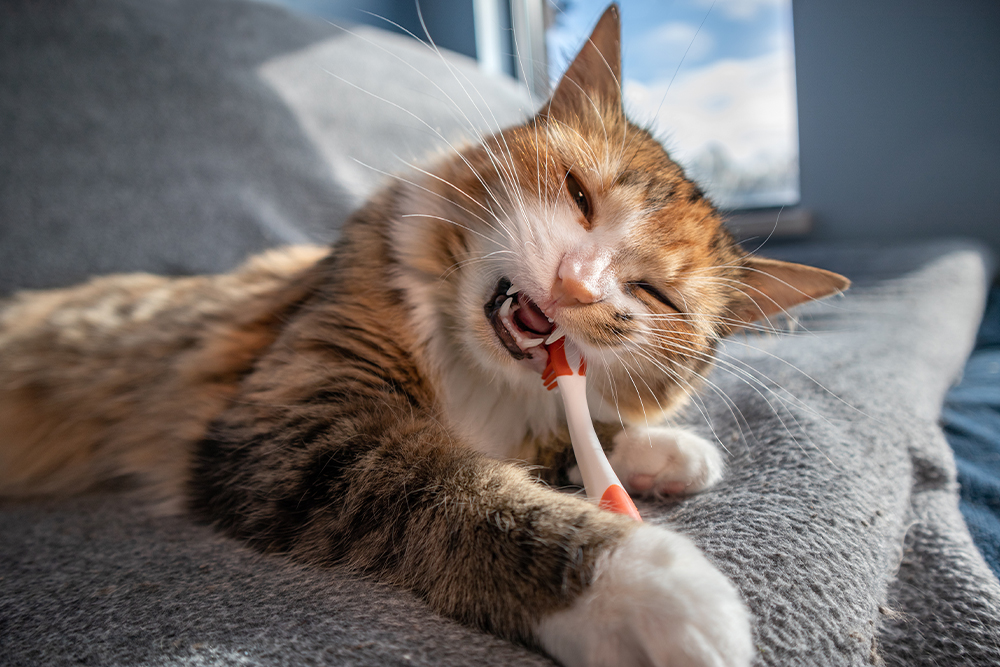
Cats require more patience and a gentler touch. Practical guidance on brushing cat teeth addresses their smaller mouths, sensitivity, and the importance of keeping sessions short to minimize stress. A finger brush or a small cat-sized brush works best, and many cats do better with you approaching from behind while they are relaxed.
Our favorite brushing supplies from our online pharmacy:
- CET Fingerbrush: Great for beginners and cats
- CET Toothbrush: Soft bristles angled for pet mouths
- CET Poultry Flavored Toothpaste: A favorite with cats and many dogs
- CET Beef Flavored Toothpaste: Popular with dogs who prefer savory flavors
What If My Pet Will Not Accept a Toothbrush?
Not every pet will tolerate bristles, at least not right away. Dental wipes or gauze wrapped around your finger offer helpful friction to remove soft plaque. These tools work especially well for cats and for dogs who resist brushes, and they can serve as a stepping stone toward brushing later or as a long-term solution for some households.
To get the most out of wipes, focus on the outer surfaces of the canines and large cheek teeth where plaque builds fastest. Angle your finger to sweep gently along the gumline, then finish with the front incisors. Pairing wipes with an enzymatic solution boosts the plaque-fighting effect.
Wipes are absolutely better than no home care, but they cannot reach below the gumline the way brushing can. If breath stays foul, gums bleed, or tartar builds despite daily efforts, your pet likely needs a professional cleaning. We can evaluate their mouth and create a realistic plan during your pet’s preventive care visit.
Our favorite from the pharmacy: Dental Wipes are pre-moistened and easy to use for dogs and cats.
How Do Dental Gels and Enzymatic Products Help?
Enzymatic gels and pastes work by breaking down plaque chemically. They can be applied with a finger, wiped on with gauze, or used with a brush for maximum impact. Some pets will happily lick the gel right off your finger, which still delivers ingredients throughout the mouth. Mechanical action always makes them work better, so think of gels as boosters that enhance whatever brushing or wiping you are already doing.
When choosing a gel, look for veterinary-formulated products with enzymes designed to target oral biofilm. Apply a thin line along the gumline and outer tooth surfaces. Combining gels with brushing or wipes a few times per week magnifies the benefits.
Our favorites from the pharmacy:
- OraVet Plaque Prevention Gel: Creates a barrier that helps prevent plaque attachment
- Dental Care Enzymatic Powder: Sprinkle on food for pets who resist direct application
- Vetradent Oral Spray: Quick spray application for pets who tolerate it
Our pharmacy stocks these and other veterinary-recommended options. Ask our team which product fits your pet’s mouth and temperament.
Do Water Additives and Oral Rinses Actually Work?
Water additives and rinses aim to reduce plaque and freshen breath by distributing antimicrobial or enzymatic ingredients as your pet drinks. They are easy to use since you just add them to the water bowl, but effectiveness varies by product, and palatability can be a challenge. Some pets will refuse to drink treated water, so introduce additives gradually, starting with half doses, and monitor to make sure your pet keeps drinking normally.
The important thing to understand is that additives should supplement mechanical cleaning, not replace it. They do not remove existing tartar, and they work best as one layer in a broader routine that includes brushing, wipes, or chews. When choosing a product, look for VOHC-accepted products that have demonstrated plaque or tartar reduction in clinical trials.
Our favorites from the pharmacy:
- CET Aquadent: Palatable formula most pets accept
- Vetradent Water Additive: Another well-tolerated option
If you are unsure where to start with additives, reach out through contact and we will guide you based on your pet’s current oral health.
Can Dental Diets Help Prevent Dental Disease?
Dental diets are specially formulated to support oral health through both their ingredients and the physical design of the kibble. The kibble pieces are typically larger and have a texture that encourages chewing rather than swallowing whole. As your pet bites down, the kibble scrapes against tooth surfaces to help remove plaque mechanically. Some dental diets also include ingredients that help reduce tartar formation.
Dental diets are another useful tool for extending the time between professional cleanings, but like everything else on this list, they are not a replacement for brushing or professional care. They work best as part of a complete routine. If you are interested in exploring dental diet options, browse our dental diet selection in our online pharmacy, or ask our team which formula fits your pet’s nutritional needs.
What About Dental Chews and Toys?
Chewing can scrape plaque from tooth surfaces, stimulate gums, and provide mental enrichment. But not all chews are safe. The most important rule is to avoid anything harder than your fingernail or that does not indent slightly under pressure. Items that are too hard can fracture teeth, turning a preventive measure into a painful emergency.
Review common dangerous chew items to know what to avoid: real bones, antlers, hard nylon chews, and ice cubes top the list. Instead, opt for safe chew toys with appropriate give. Products like dental chew toys from Kong are designed to be firm yet slightly compressible.
How Do You Choose the Right Dental Chew?
Match the chew to your pet’s size and chewing style. For power chewers, select durable options that are firm but not rock-hard. For gentle chewers, softer treats can provide friction without excessive wear. Always supervise chewing sessions, limit the time for pets prone to gulping, and replace worn or splintering items promptly. Rotating different textures keeps interest high and spreads wear across different teeth.
Our favorite dental chews for dogs:
- ProPlan OraChews: Designed to reduce plaque and tartar
- OraVet Dental Chews: Creates a barrier against bacteria
- CET Enzymatic Chews: Combines mechanical cleaning with enzymatic action
- Yummy Combs Treats: Shape designed to reach between teeth
Our favorite dental treats for cats:
- ProPlan Dental Treats: Crunchy texture cats enjoy
- CET Intellident Treats: Designed for feline mouths
Ask our team for personalized recommendations during your next wellness or dental visit.
What Is the VOHC and Why Does It Matter?
When you’re standing in the pet aisle staring at dozens of dental chews, toothpastes, and water additives, it can be tough to know which ones actually work. That’s where the Veterinary Oral Health Council comes in. The VOHC is an independent organization that evaluates pet dental products and awards its Seal of Acceptance only to those that meet specific standards for reducing plaque or tartar. Think of it as a quality checkpoint: if a product carries the VOHC seal, it means the claims on the packaging have been backed up by actual testing, not just marketing. Not every product on the shelf has gone through this process, so looking for that seal is one of the easiest ways to make sure you’re spending your money on something that will genuinely benefit your pet’s oral health.
What Can Home Care Not Replace?
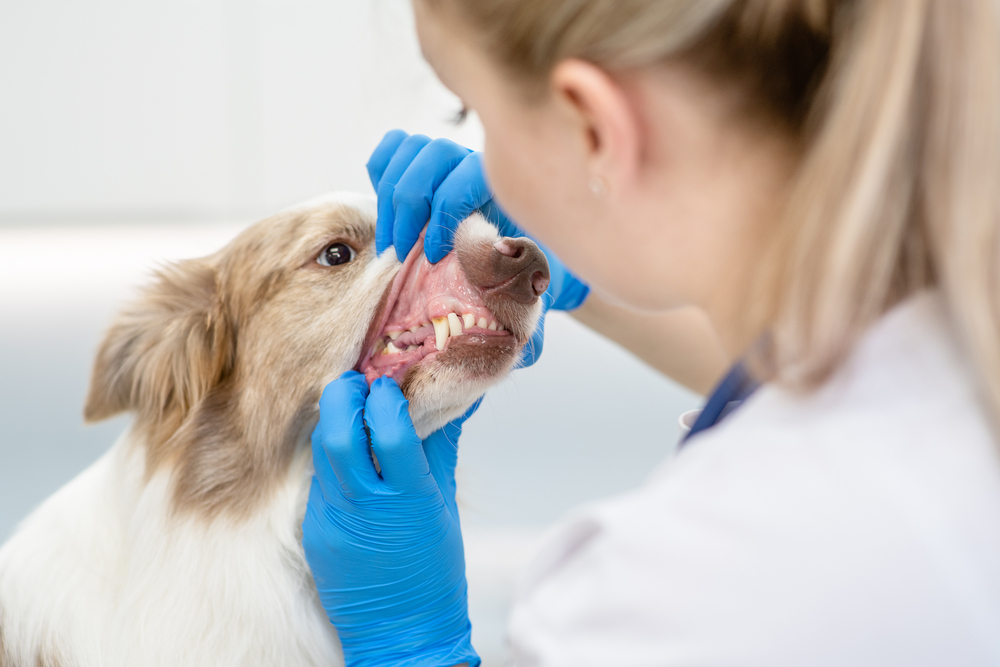
Even the best home care routine cannot remove hardened tartar or treat disease below the gumline. Professional cleanings under anesthesia remain essential because they allow thorough scaling, polishing, and evaluation of every tooth and the surrounding tissues. When indicated, we take dental radiographs to find problems hiding under the surface, like root abscesses or bone loss that are invisible to the eye.
You may have seen advertisements for anesthesia-free dental cleanings, but there are significant anesthesia-free dental risks to understand. Without anesthesia, pets can move unexpectedly, making thorough cleaning dangerous and incomplete. These procedures only address visible tartar above the gumline, missing the disease underneath where it matters most. Proper anesthesia, with appropriate monitoring, allows for safe, complete care.
Strong home care can extend the time between professional cleanings, which is a real benefit.
How Do You Build a Routine That Actually Sticks?
The routine that works is the one your pet tolerates and you can repeat. Start small. Pair dental care with an existing habit like bedtime or after-dinner wind-down. If brushing three teeth is all that is possible today, that is progress. Celebrate the small wins and build from there.
Practical strategies that help:
- Set modest goals based on your pet’s temperament and your schedule, then add steps gradually
- Use high-value rewards and calm handling to reduce resistance
- Track improvements like fresher breath, pinker gums, and less tartar buildup
- Note setbacks that suggest a professional cleaning is due
We are here to coach you through the tricky parts. Our AAHA-accredited team provides demonstrations, troubleshooting, and product recommendations tailored to your pet.
Your Partner in Lifelong Oral Health
Healthy mouths do not happen by accident. They result from small, consistent efforts at home and routine professional cleanings when needed. Whether your pet accepts brushing, tolerates wipes, enjoys chews, benefits from a dental diet, or needs the simplicity of a water additive, every effort contributes to a healthier, more comfortable life.
If you are ready to build a personalized dental plan, our veterinarians will assess your pet’s current oral health, demonstrate techniques, and recommend products that fit your lifestyle. Request an appointment to put a realistic plan in motion. In Fountain Hills, we are proud to partner with pet owners who want to give their dogs and cats the gift of a healthy mouth.