A Year-Round Plan to Stop Parasites Before They Spread
Skipping heartworm prevention during winter months. Using flea and tick products only when parasites are visible. These common approaches seem logical but leave gaps in protection that parasites exploit. Year-round prevention isn’t just a marketing strategy, it’s based on parasite biology, regional climate factors, and the reality that missing even a few doses creates vulnerability. Understanding why consistent prevention matters and what products work best for different lifestyles protects pets from preventable diseases.
At Palisades Veterinary Hospital in Fountain Hills, year-round parasite prevention is essential in Arizona’s climate where warm temperatures mean parasites thrive throughout the year. Through our preventative medicine program, we help owners select appropriate heartworm, flea, and tick prevention and maintain consistent protection. Desert conditions don’t mean fewer parasites. They simply mean different parasite pressures than other climates face. Request an appointment to discuss parasite prevention strategies that protect your pet year-round in our unique environment.
Subtle Signs Parasites Are Sneaking In
You might notice your dog having diarrhea, your cat grooming obsessively at night, or sudden scratching that seems out of character. Small changes like flaky skin, intermittent coughing, soft stools, or decreased appetite can be early clues of parasitic activity. Parasites are often invisible until they create enough inflammation to be obvious.
Peace of mind comes from proactive care rather than reactive treatments. During routine wellness visits, our team evaluates parasite risk by lifestyle and season, then builds a prevention plan that fits your pet and household. We consider yard exposure, travel, hiking habits, boarding frequency, and other pets in the home to choose effective products and simple monitoring schedules.
If you’re seeing changes in energy, appetite, stool quality, or skin comfort, don’t wait. Request an appointment so we can examine your pet and set up a reliable prevention routine. For a broader view of what we provide across wellness and disease prevention, explore our services.
Why Continuous Protection Beats Seasonal Gaps
Parasites don’t read calendars. In Fountain Hills and the Sonoran Desert, warm days and microclimates sustain fleas, ticks, and mosquitoes that can transmit heartworm. Even brief warm spells in “winter” can wake parasites, and indoor environments keep them active. Consistent prevention stops life cycles from regaining momentum between doses.
Common myths can lead to costly mistakes:
- “Mosquitoes disappear in winter.” In our region, they can persist around irrigated landscapes, warm basements, golf course water features, and backyard containers.
- “Indoor cats don’t need prevention.” Fleas hitch rides on clothing and dogs, and heartworm-exposed mosquitoes enter homes.
- “I only treat when I see bugs.” By the time you see fleas or a tick bite, transmission risk is already present.
Not all preventatives cover the same parasites or durations. Year-round parasite prevention closes gaps and reduces disease risk. We tailor protection based on age, health, species, and activity level, then align your dosing schedule with reminders for hassle-free continuity. If it’s been more than a year since we reviewed your pet’s plan, visit our preventative medicine program and request an appointment.
Fleas: Fast Reproduction Needs Consistent Prevention
Fleas multiply quickly. Eggs fall into carpet, bedding, and cracks, maturing into larvae and pupae that can wait weeks or months before emerging. This is why “treat once” approaches fail. Without ongoing prevention, fleas in the environment repopulate your pet and home.
Indoor-only pets aren’t automatically safe. Fleas arrive on dogs, visiting pets, wildlife, or clothing, and they leap between pets in the same household. Beyond scratching, fleas can trigger intense itch, hotspots, and transmit tapeworms. Small or young pets can become anemic, and some flea-borne pathogens affect people.
Flea allergy dermatitis occurs when even a few bites cause severe itch. Our plans typically include effective flea prevention with appropriate coverage and duration, environmental steps like vacuuming and hot washing bedding, and follow-up care to ensure the cycle is truly broken.
Ticks and Tick-Borne Disease: Small Bites, Big Consequences
Ticks attach quietly, feed on blood, and can transmit disease. In Arizona and the Southwest, risk often increases around riparian areas, desert trails with wildlife, and landscaped neighborhoods. You might see fever, joint pain, lethargy, swollen lymph nodes, or shifting leg lameness. Some diseases progress slowly and need testing to catch early.
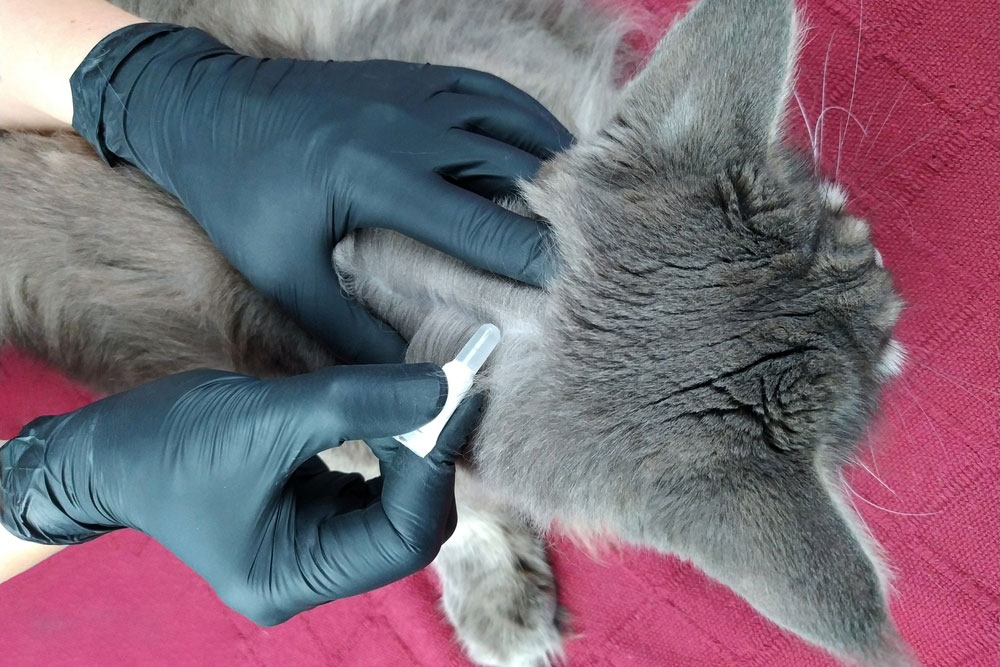
Lyme disease is one serious illness in dogs. Effective tick prevention combines medications, tick checks after outdoor activity, and environmental management. Regular tick monitoring helps you remove ticks before they transmit disease.
We recommend products based on local risk and your pet’s lifestyle, and we incorporate periodic testing into wellness plans. If your dog hikes, visits dog parks, or travels to higher-risk regions, consistent tick control is essential.
Intestinal Worms: Repeat Testing and Deworming
Intestinal worms steal nutrients and inflame the digestive tract, leading to diarrhea, weight loss, bloating, poor coat quality, and occasionally anemia. Puppies and kittens are especially vulnerable. Common intestinal parasites include roundworms, hookworms, whipworms, coccidia, and giardia. In Arizona, coccidia, giardia, and tapeworm are particularly common, which is why we recommend regular parasite testing as part of our wellness care.
Because many parasites have staged life cycles, eliminating them often requires a series of treatments. Fecal testing is not one-and-done for young pets. We recommend structured testing during puppy and kitten visits, then routine exams for adults based on risk. Our in-house laboratory provides rapid fecal results, and our pharmacy supplies vetted dewormers.
Starting with a new pet? We’ll set a timeline for fecal testing and deworming, with reminders so nothing gets missed. To plan your series, request an appointment.
Heartworm: A Silent Threat in a Mosquito’s Bite
Heartworm is transmitted by mosquitoes and damages the heart, lungs, and blood vessels. Early infection is often silent, which is why prevention is safer than waiting for symptoms. Dogs may develop coughing, fatigue, exercise intolerance, or weight loss. Cats can have respiratory distress and sudden complications with far fewer worms.
Risk varies by geography, but mosquitoes are present throughout our region. The heartworm prevalence map shows risk can shift year to year, and travel increases exposure.
Treatment differs. Dogs typically follow a staged protocol with strict rest and monitoring. Cats don’t have an approved adulticide treatment, so prevention is critical.
Annual testing and uninterrupted prevention are standard. We help you choose the right product, set reminders, and handle refills through our pharmacy. To update testing or review your plan, request an appointment.
Mites and Mange: Microscopic Parasites, Major Discomfort
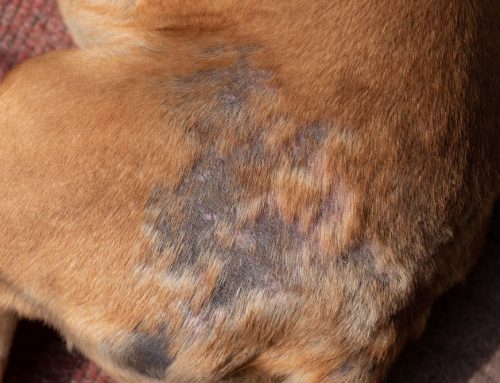
Mites are too small to see, yet they can cause intense itching, hair loss, and secondary infections. Demodex overgrowth often affects young or immunocompromised pets. Sarcoptic mange is contagious and leads to severe itch. Ear mites cause debris and inflammation and are more common in cats, though dogs can be affected.
Early identification matters. Clues like patchy hair loss, crusting, or persistent ear scratching warrant diagnostics. We use skin scrapings and ear cytology to confirm the type, then prescribe targeted therapy.
Avoid guessing with over-the-counter treatments, especially if there’s ear pain or signs of infection. Proper diagnosis ensures safe choices and full resolution. If your pet is itchy or losing hair, schedule a diagnostic visit through our advanced diagnostics or preventative medicine program.
Protecting Your Family From Parasites That Can Spread to People
Many parasites are zoonotic, meaning they can move from pets to people. Families with children, older adults, pregnant individuals, or anyone with compromised immunity have higher vulnerability. Exposure can result in skin irritation, gastrointestinal illness, or more serious issues. The good news: consistent prevention and household hygiene dramatically reduce risk.
Zoonotic parasites pose real health concerns. Roundworms can cause visceral or ocular larva migrans when larvae migrate through human tissues, potentially affecting the eyes or organs. Hookworm larvae penetrate bare skin and create itchy, winding rashes called cutaneous larva migrans. Certain tapeworm species can infect people who accidentally ingest infected fleas or contaminated material. Giardia causes gastrointestinal upset in both pets and people, and Toxoplasma is a particular concern for pregnant individuals due to risks to the developing baby. Even common parasites that seem like minor nuisances in pets can cause significant illness in vulnerable family members.
Practical steps include keeping pets on year-round preventatives and following deworming protocols, disposing of feces promptly and maintaining clean litter boxes, washing hands after handling pets or soil, and avoiding barefoot contact with areas where pets eliminate.
New pets often arrive with parasites, especially puppies and kittens still completing their treatment series. We structure wellness plans to protect both pets and people and coordinate testing and rechecks to keep the home parasite-free.
How Veterinarians Find Parasites You Can’t See
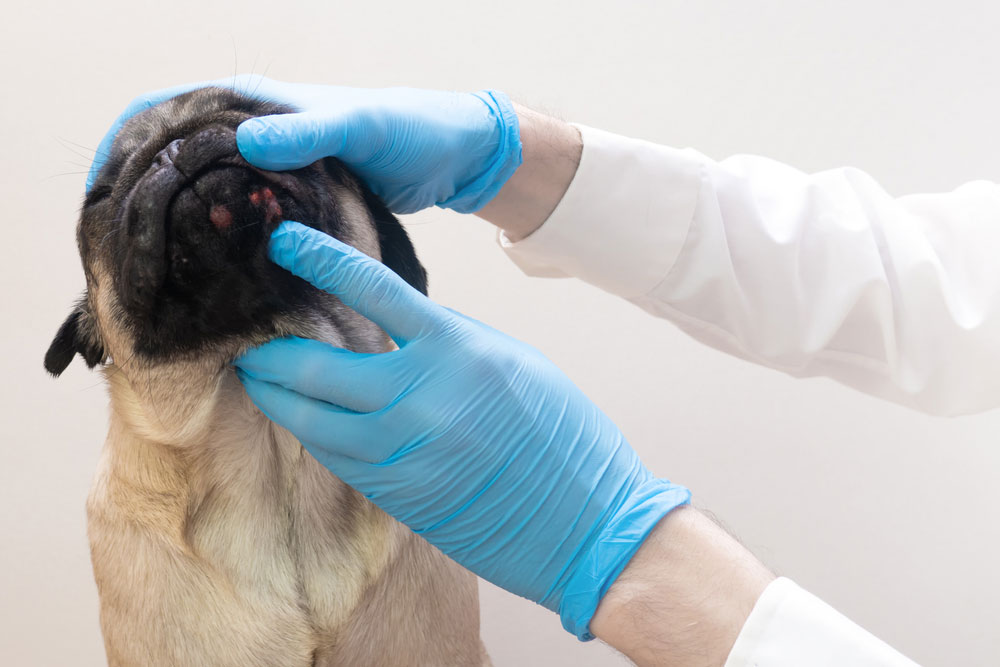
Parasite detection isn’t always obvious. Many infections produce nonspecific signs like intermittent diarrhea, coughing, weight changes, or skin irritation. Routine screening is the most reliable way to catch problems early. Structured fecal testing identifies eggs or antigens, and repeat testing confirms clearance.
Our laboratory runs fecal tests, heartworm assays, and cytology the same day in many cases, while advanced diagnostics such as x- ray, ultrasound, and endoscopy help evaluate complex cases. When parasites trigger more serious complications, our internal medicine team coordinates care and monitoring.
For urgent concerns during open hours, our clinicians can triage rapidly through our emergency services. If your pet has ongoing GI, respiratory, or skin issues, we can pinpoint causes and create a precise plan.
Our Standards and Approach: Consistent, Compassionate Prevention
As an AAHA accredited hospital, Palisades Veterinary Hospital meets rigorous standards across care. We invest in training and technologies to raise the bar in our community. Our philosophy is simple: care, compassion, and relationships drive better health outcomes.
When parasite concerns intersect with travel, boarding, or surgery plans, our team ensures continuity. We coordinate dosing around boarding stays, verify protection prior to procedures through our medical and surgical services, and maintain refills and reminders through our pharmacy. That consistency prevents lapses and keeps pets healthy through life’s transitions. Before boarding, we require current parasite control products and vaccinations, ensuring all pets in our facility remain protected and healthy.
Keep Parasites From Gaining Ground
Parasites exploit any gap in prevention. Year-round coverage, routine screening, and tailored plans protect pets and families in our desert climate.
If your pet’s prevention has been inconsistent, or if you’ve noticed changes in energy, skin comfort, or digestion, take the next step today. Request an appointment to review your plan, or contact our team through preventative medicine for guidance and product selection. For general questions or to reach our client care team, please contact Palisades Veterinary Hospital. We’ll help you stop parasites before they spread and keep protection simple, consistent, and effective all year long.