Decoding the Meow: Why Your Cat Might Be Overly Vocal
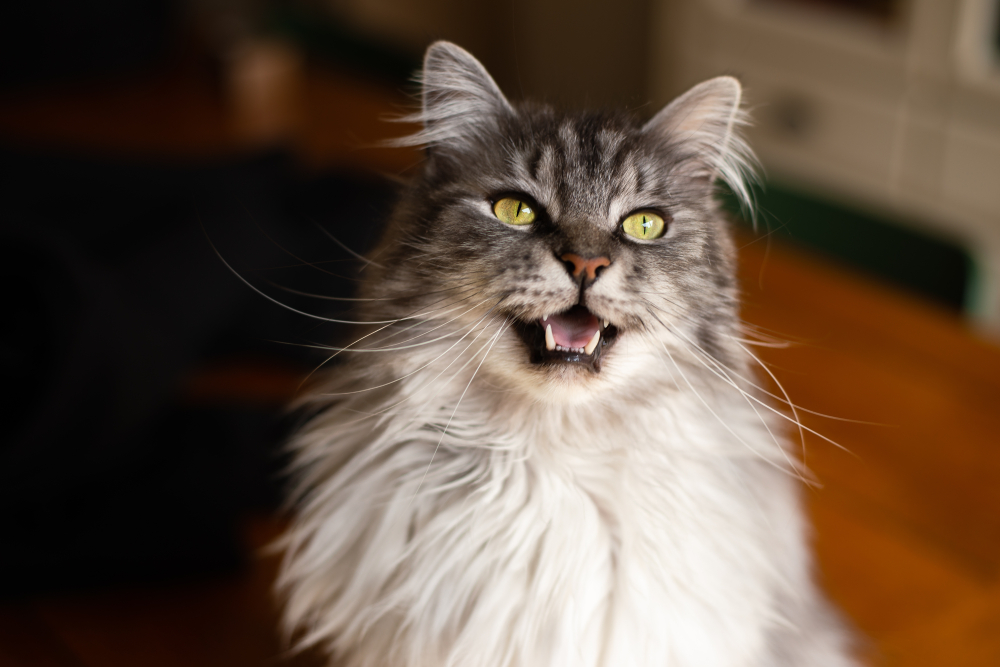
Does your cat wake you up in the middle of the night with persistent cries, or perhaps constantly demand your attention with a chorus of meows? If you’ve noticed an increase in your cat’s chatter, you might be wondering why. It can be confusing and even worrying when your pet suddenly becomes more vocal. While cats meow for many reasons- seeking attention, expressing discomfort, or feeling confused- a sudden shift in vocal habits, particularly in older cats, could signal something more serious like illness or anxiety. Understanding what your cat is trying to communicate is key. Learning to listen closely helps you determine if the reason is simply behavioral or if it requires medical attention.
At Palisades Veterinary Hospital, we understand how changes in your cat’s behavior can cause concern. Our AAHA-accredited hospital provides advanced diagnostic services and compassionate care to uncover the reason behind your cat’s excessive vocalization. From thorough exams to tailored treatment plans, our team helps restore calm for both you and your feline companion.
When Meowing Becomes a Concern
Some cats are naturally talkative, but persistent, distressed, or unusual meowing can indicate an underlying issue. While chatty breeds like Siamese and Burmese are famously vocal, any cat that starts crying at new times- especially at night or without an obvious reason- deserves attention. Persistent vocalization may signal pain, confusion, or anxiety, making early veterinary evaluation vital.
Many common cat behavior issues start subtly, with minor changes that progress over time. The veterinarians at Palisades can help determine whether the cause is behavioral or medical, using tools like blood tests, imaging, and thyroid screenings. If your cat’s vocalizations have changed, we encourage you to schedule an appointment so we can get to the root of the issue.
Understanding Normal Vocalization Patterns
Cats communicate through sound, body language, and even scent. Most meows are normal expressions- greetings, requests for food, or attention-seeking behaviors. Observing your cat’s baseline body language and behavior helps you spot meaningful changes.
Excessive meowing isn’t just about volume- it’s about pattern and persistence. Signs that vocalization has become excessive include:
- Meowing at night despite being fed and comforted
- Crying during or after eating, using the litter box, or moving around
- Meows that sound distressed or painful
- A sudden change in tone or frequency
If you notice these behaviors, it’s time for a medical evaluation. By tracking when and why your cat meows, you’ll help your veterinarian pinpoint what’s happening faster. You can request a visit through our appointment portal to have your cat assessed promptly.
Medical Causes of Excessive Meowing
A veterinary exam helps determine whether the cause is medical, behavioral, or a combination of both. At Palisades, our in-house laboratory and advanced diagnostics allow for same-day testing so we can identify health issues quickly and begin treatment right away.
Pain and Discomfort as Drivers of Vocalization
Cats in pain often vocalize more, especially when moving, eating, or being touched. Common causes include dental disease, arthritis, and urinary blockages. Cats suffering from arthritis may cry when jumping or grooming, while those with urethral obstruction often vocalize in the litter box due to pain and straining- an absolute emergency.
Other subtle pet pain signs include hiding, restlessness, or decreased grooming. Pain relief and comfort can often bring near-immediate relief. If your cat shows any of these symptoms, contact us for a thorough evaluation and tailored pain management plan.
Hyperthyroidism and Restless Vocalization
In older cats, hyperthyroidism is a common cause of excessive meowing. The condition speeds up metabolism, leading to weight loss, increased appetite, restlessness, and anxiety. Cats may pace, cry, or seek constant attention. You may also notice a change to the tone or sound of your cat’s meow- a deeper or raspy meow is a signal that something is wrong.
Our internal medicine team performs thyroid screenings, bloodwork, and imaging to diagnose and manage the condition. Early detection and medication help restore comfort and reduce vocalization.
Hypertension and Nighttime Calling
High blood pressure, or feline hypertension, can cause neurological changes that make cats restless or disoriented- especially at night. It may also accompany kidney disease or hyperthyroidism. When blood pressure is uncontrolled, it can actually cause blindness through retinal detachment, adding to your cat’s distress and confusion.
Blood pressure monitoring and targeted treatment can help prevent serious complications like vision loss or stroke. We include blood pressure checks in our senior cat wellness visits to catch these changes early.
Sensory Loss and Increased Meowing
Hearing and vision changes can leave cats disoriented, leading to louder or more frequent meowing as they seek reassurance. Feline vision problems and conditions like cataracts or retinal disease can make it harder for cats to navigate their surroundings. Deaf cats may cry louder because they can’t hear their own voice.
Our veterinarians can assess sensory changes and provide advice on home adjustments- like extra lighting or tactile cues- to help your cat feel secure.
Cognitive Decline in Senior Cats
As cats age, brain changes can lead to confusion and cognitive decline. Affected cats may wander aimlessly, cry at night, or forget familiar routines. Regular senior exams and supportive care can ease anxiety and improve quality of life.
During your cat’s wellness visit, our team can recommend supplements and environmental strategies to support brain health.
Neurologic Causes Including Brain Tumors
In rare cases, excessive meowing may be linked to neurological conditions like brain tumors. Other symptoms can include changes in personality, circling, or seizures. If your cat suddenly acts confused or disoriented, seek immediate evaluation. Our diagnostic imaging tools help detect neurologic disorders quickly for timely referral and treatment.
Behavioral and Environmental Causes of Meowing
Once medical issues are ruled out, attention turns to behavior and environment. Cats are sensitive creatures- changes in the home, lack of stimulation, or tension with other pets can all drive excessive vocalization. Our team helps identify these triggers and create calm, enriching environments that reduce stress.
Stress, Anxiety, and Household Changes
Cats thrive on consistency and are very sensitive to life stressors. Sudden moves, new pets, or changes in routine can trigger anxiety-driven meowing. Addressing tension among cats in multi-cat households often restores peace. Make sure you have plenty of resources- at least one litterbox per cat, plus ample food and water dishes so they don’t feel the need to compete for basic needs. Calming products, pheromone diffusers, safe retreats, and structured feeding schedules can also reduce vocalization.
If your cat’s anxiety feels unmanageable, our veterinarians can guide you through behavior modification and medication options that promote harmony at home.
Enrichment, Boredom, and Outdoor Access Requests
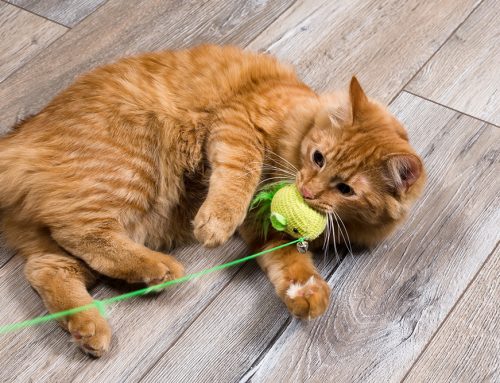
Indoor cats need outlets for their natural instincts. Without stimulation, they may cry for attention. Engaging your cat with enrichment toys, interactive play, and climbing structures mimics their natural hunting behavior and supports mental health.
Creating stimulating indoor cat environments improves physical and emotional wellbeing. Cats who have previously experienced the outdoors are notorious for loudly and persistently demanding access. If your cat meows to go outside, they may be seeking exploration or fresh air. Safe alternatives- like supervised leash walks, window perches, or catios– offer stimulation without exposure to predators or traffic.
Our veterinarians can help you develop safe enrichment solutions that satisfy curiosity while keeping your cat protected.
Food and Snack Demands
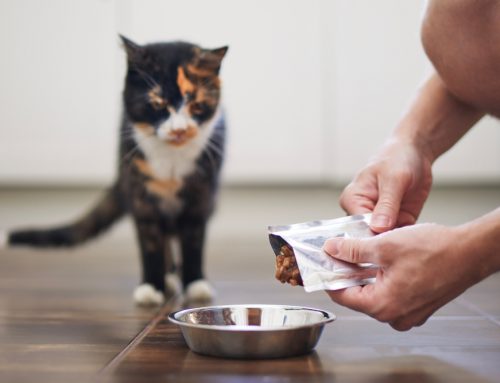
Cats in the wild eat after they’ve hunted- requiring exercise and mental engagement- and often eat multiple small, high protein meals in a day. The way we traditionally feed indoor cats often does not fulfill their needs in the same way.
Instead, our cats look to us to fill their food bowl- which isn’t as fun or enriching as a hunt. If your cat has trained you to respond to their demanding meows, it’s time to break the cycle. The solution is simple but requires consistency: never reward vocal begging with food. Instead, feed only when your cat is calm and quiet. Choosing the right balance of wet and dry food helps manage weight, while puzzle feeders, hunting toys, and slow feeders transform mealtime into mental enrichment that satisfies natural foraging instincts. Automatic timed feeders can help with providing multiple small meals and change their mindset that food comes only from you. Combined with proper nutrition guidelines, these strategies reduce begging behavior and keep your cat healthy and engaged.
For ongoing challenges, our team provides behavior counseling to tackle persistent cat behavior problems and support long-term improvement.

Bringing Calm Back to Your Home
A complete exam and targeted testing are the foundation for resolving excessive meowing. Our team evaluates physical health, performs necessary diagnostics, and creates a plan that may include behavior adjustments or medical treatment. Once health issues are managed, addressing attention-seeking or stress-related meowing is the next step. Using enrichment and reward-based training helps teach cats alternative behaviors.
Excessive meowing can be frustrating, but it’s often a sign your cat needs help, not a permanent problem. Whether the cause is medical, emotional, or environmental, your veterinary team can uncover the reason and guide you toward solutions that bring peace to your household.
If your cat’s meows have become more frequent or distressing, reach out to Palisades Veterinary Hospital or request an appointment. Together, we’ll help your feline friend feel comfortable, understood, and at home again.