
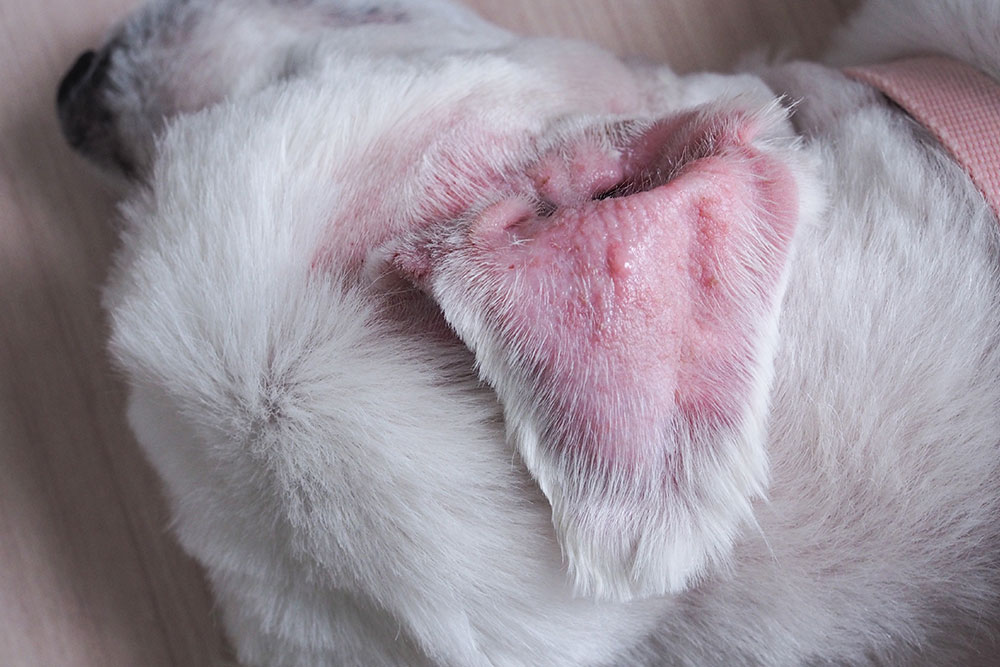
Treating an ear infection once is straightforward. Treating the same ear infection three times a year is a different problem entirely, and approaching it the same way each time will keep producing the same results. Chronic otitis (persistent, recurring ear disease) in dogs and cats is driven by underlying causes like allergies, ear shape, hormonal disease, and foreign material that ear medication alone never addresses. Getting chronic ear disease under control requires identifying what is actually driving the inflammation, culturing the infection to confirm which organisms are present and which antibiotics they respond to, and building a long-term management strategy that addresses the root cause.
Palisades Veterinary Hospital in Fountain Hills, AZ is an AAHA-accredited practice with a strong internal medicine program built for exactly the kind of complex, recurring cases that need more than another round of ear drops. We take the time to investigate thoroughly and help you understand what sustainable ear health management actually looks like. Contact us to schedule an evaluation for a pet whose ear problems keep coming back.
Why Do Ear Infections Develop in the First Place?
A pet’s ear canal is shaped differently than a human’s: it runs vertically before angling horizontally toward the eardrum, creating a warm, relatively enclosed space where moisture and debris can accumulate. Healthy ears maintain a natural balance of microorganisms on the skin surface. When something disrupts that balance, bacteria and yeast have an opportunity to overgrow.
Itchy ear problems in dogs and cats share many of the same root triggers: moisture, allergies, foreign material, and organisms that take advantage of a disrupted ear environment. Common triggers that break down the ear’s natural defenses include moisture from swimming or bathing, inflammation from allergies or food sensitivities, excessive ear hair or wax that traps debris, and underlying systemic conditions that compromise skin health. The result is a canal that is red, painful, smelly, and hosting an infection that often feels like it never fully resolves.
Routine ear checks, appropriate cleaning schedules, and staying on top of any underlying conditions are all part of preventative medicine routines that help prevent the next flare before it starts.
Why Do Chronic Ear Infections Keep Coming Back?
If your pet is having ear infections more than twice a year, something underlying is almost certainly perpetuating the problem. The most common culprits:
Moisture and anatomy. Floppy-eared breeds like Cocker Spaniels, Basset Hounds, and Goldens trap humidity against the canal. Dogs who swim regularly are particularly prone. Narrow canals or excessive hair inside the ear compound the problem. Cats are generally less susceptible to moisture-related ear disease, but deep or heavily furred ear conformation can create similar conditions.
Ear mites. While mites can affect dogs, they are far more common in cats. Ear mites in cats cause intense itching, dark crumbly discharge that resembles coffee grounds, and secondary bacterial or yeast infections when left untreated. In multi-pet households, mites spread easily between cats and sometimes to dogs, so all animals in the home should be evaluated and treated together.
Foreign material. Foxtails are a significant concern in Arizona, where these grass seed awns are abundant in desert scrub and park areas throughout the Fountain Hills region. Foxtails can migrate deep into the canal and remain hidden while continuing to cause irritation and infection.
Allergies.Whether environmental or food-related, allergies are the most common underlying driver of recurrent ear infections in dogs. Cats develop allergies too, and a cat with recurring ear inflammation and no obvious cause is worth investigating for an allergic component. The same immune response that causes skin itching and paw licking creates inflammation in the ear canal that makes the environment hospitable to bacterial and yeast overgrowth.
Hormonal conditions. Hypothyroidism and Cushing’s disease both alter the skin’s immune response and oil production, creating an ear environment prone to recurrent infections. In a dog whose ear infections started in middle age without a clear trigger, endocrine disease is worth investigating.
Feline inflammatory polyps. Nasopharyngeal and ear canal polyps are benign tissue growths unique to cats that develop in the ear canal or the back of the throat. They are a frequently overlooked cause of chronic ear disease and can cause recurrent infection, discharge, and in some cases breathing or swallowing changes. Polyps do not resolve with medication alone; surgical removal is required for lasting improvement.
Tumors. Tumors of the ear canal occur in both dogs and cats and range from benign ceruminous gland cysts to more aggressive malignancies. In older cats especially, a persistent unilateral ear problem that doesn’t respond to standard treatment warrants a biopsy to rule out a neoplastic cause.
Resistant organisms. When infections are treated incompletely, or when the same antibiotic is used repeatedly without culturing, resistant bacterial strains can develop. These require targeted treatment based on sensitivity testing, not empirical medication.
Warning Signs That an Ear Problem Has Become Serious
You probably recognize the obvious signs: head shaking, pawing at the ear, odor, and visible discharge. But there are signals that indicate the infection has progressed beyond what routine treatment will resolve:
- Rapid relapse within days of finishing a full medication course
- Thickening or darkening of the ear canal tissue (chronic inflammation changes the canal’s structure over time)
- A sudden head tilt, loss of balance, or abnormal eye movements- these may suggest middle or inner ear involvement, or vestibular disease, a condition affecting the balance system that can look alarmingly like a stroke
- Ear hematomas, the blood-filled swellings that form when a pet shakes its head forcefully enough to rupture blood vessels in the ear flap
- Extreme pain when the ear is touched or when the mouth opens
- In cats: sneezing, nasal discharge, or difficulty breathing alongside ear symptoms, which may point to a nasopharyngeal polyp extending beyond the ear canal
Any of these findings warrants prompt evaluation rather than a wait-and-see approach. Early intervention prevents the permanent canal changes that make chronic otitis progressively harder to treat.
How Recurring Ear Infections Are Properly Diagnosed
Treating a recurrent ear infection without investigating why it keeps coming back is the definition of managing symptoms rather than solving the problem. A thorough ear exam includes otoscopy (using a lighted scope to visualize the canal and eardrum), assessment of canal health and any structural changes, and collection of samples for testing.
Ear cytology examines cells and organisms under the microscope to determine whether bacteria, yeast, mites, or a combination is present, and in what proportion. This guides medication selection rather than relying on guesswork. For infections that haven’t cleared with appropriate treatment, culture and sensitivity testing identifies the specific organism and confirms which antibiotics will actually work against it, rather than repeating medications that resistance may have already rendered ineffective.
When allergies are suspected, an elimination diet trial lasting 8 to 12 weeks with a novel or hydrolyzed protein (a protein source broken down into small enough pieces that the immune system doesn’t react to it) identifies food triggers with reasonable reliability. Bloodwork helps evaluate for endocrine causes when the history and clinical presentation suggest hypothyroidism or Cushing’s disease.
Our laboratory capabilities support in-house cytology and rapid diagnostics, with results often available while you’re still in the exam room. Complex culture and sensitivity panels go to the outside reference lab with prompt turnaround.
A Treatment Plan That Actually Breaks the Cycle
Step 1: Clear the Active Infection Completely
Effective treatment begins with thorough ear cleaning to remove debris, discharge, and biofilm (a protective layer bacteria form that makes them harder to treat) that block medications from reaching infected tissue. For ears that are too painful or too occluded for awake cleaning, this step is performed under sedation. Medicated drops containing the appropriate antibiotic and anti-inflammatory are then applied on the schedule and for the full duration prescribed. Stopping early because the ear looks better is one of the most common reasons infections relapse.
Step 2: Recheck to Confirm True Resolution
An ear that looks and smells better to you may still harbor residual infection deeper in the canal. Recheck cytology after the treatment course confirms the infection has actually cleared before treatment ends. This step is not optional for chronic cases.
Step 3: Address the Underlying Cause
Once the acute infection is under control, the focus shifts to whatever is allowing it to recur. Food allergies identified through elimination trials lead to a permanent dietary change that often dramatically reduces infection frequency. Long-term allergy management with appropriate medications reduces the canal inflammation that makes the ear susceptible. When polyps or other structural abnormalities are identified, surgical removal eliminates the perpetuating factor. Endocrine disease is managed medically with regular blood monitoring.
Step 4: When Surgery Becomes the Answer
In dogs with end-stage chronic otitis where the canal has become so thickened, calcified, and stenotic (narrowed to the point of being non-functional) that it can no longer be cleaned or medicated effectively, total ear canal ablation may be the most humane path forward. This surgery removes the diseased canal entirely, eliminating the source of pain and infection. For dogs who have been uncomfortable for years, the improvement in quality of life after surgery is often dramatic. We bring in certified surgeon partners for complex procedures like this when needed.
Keeping Ears Healthy Long-Term
Once the cycle of infection is broken, the goal is preventing it from starting again. Practical habits that make a real difference:
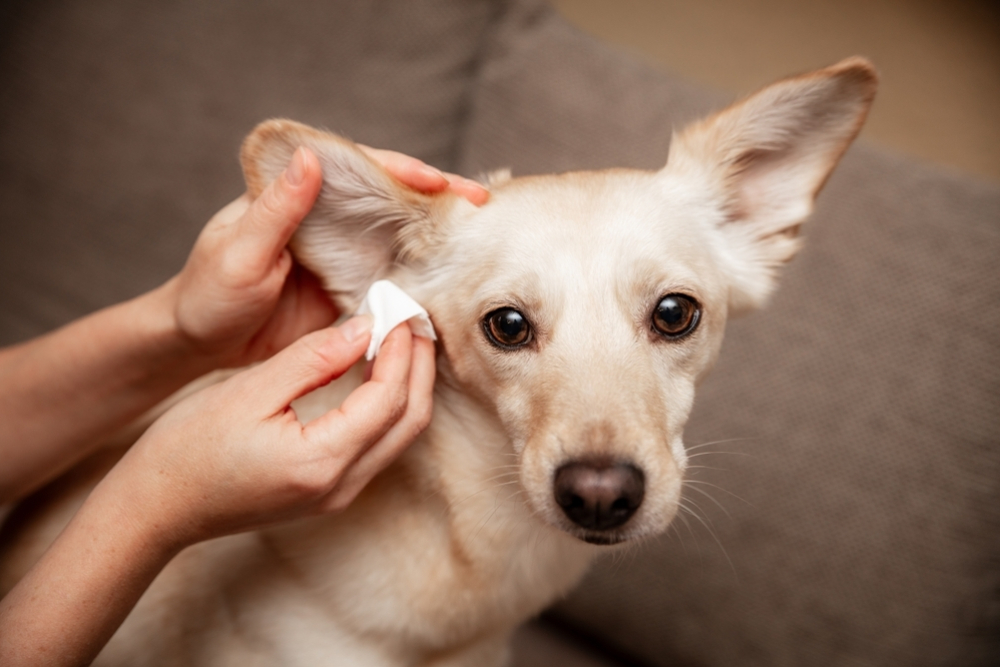
- Clean ears on a schedule determined by your pet’s individual anatomy and history, not by a generic rule. Some dogs need weekly maintenance; others do fine with occasional cleaning. Cats generally require less routine ear cleaning than dogs, but knowing how to clean a cat’s ears correctly, and recognizing early signs of trouble, is still worthwhile for any cat owner. Ask our team what schedule makes sense for your specific pet.
- Dry ears thoroughly after every swim or bath. Getting water out of a dog’s ear promptly, using a cotton ball to absorb residual moisture right after water exposure, goes a long way toward preventing the next infection.
- Check ears after outdoor activity in desert terrain, particularly during spring and summer when foxtails are most prevalent in the Fountain Hills and East Valley area.
- Keep ear hair trimmed, not plucked. In breeds that grow hair deep inside the ear canal, excess hair contributes to the warm, humid conditions that infections thrive in. Trimming that hair short helps without causing additional problems. Plucking, despite being a common grooming practice, is generally not recommended: pulling hair from the canal creates micro-abrasions in the delicate skin lining, which can actually increase inflammation and give bacteria an easier foothold. If your dog’s ear hair is a recurring concern, ask us whether trimming makes sense for their individual anatomy and how often it should be done.
- Support skin and coat health from the inside out. Nutrition for skin health is a meaningful component of managing allergy-driven ear disease, and omega fatty acid supplementation supports the skin barrier and reduces baseline inflammation. We carry Dog Skin & Coat Supplements in our pharmacy for exactly this purpose.
For routine cleaning between appointments, Epi-Otic Advanced Ear Cleaner is a veterinarian-recommended option for maintaining ear hygiene in both dogs and cats without disrupting the ear’s natural environment. We also have a full range of ear cleaners with antimicrobial properties to help prevent chronic infections- ask us what’s best for your pet.
Frequently Asked Questions About Recurrent Ear Infections
My dog’s ears flare up every time he swims. Does he have to stop swimming?
Not necessarily, but drying the ears immediately and thoroughly after every swim is non-negotiable. Some dogs benefit from a preventive ear cleaner applied after water exposure. If infections continue despite consistent drying, an underlying allergy may be lowering the threshold for infection and needs to be addressed.
Can a foxtail stay hidden in the ear for weeks?
Yes. Foxtails are barbed and migrate in one direction, which means they can travel deep into the canal and be invisible on casual inspection. Otoscopy under sedation is sometimes needed to locate and remove them completely. Any dog in the Arizona desert who develops sudden severe ear pain deserves a thorough foxtail evaluation.
My cat keeps scratching at her ears but they don’t smell infected. What could it be?
Ear mites are the first thing to rule out, particularly in cats who go outdoors or have contact with other cats. The discharge from mites is typically dark and crumbly rather than the yellowish or brown discharge more typical of bacterial infection. Polyps and early allergic disease can also cause ear irritation without obvious infection, so a proper exam and cytology is the most reliable way to get to the bottom of it.
Could food be causing my pet’s ear infections?
Possibly. Food allergies most commonly cause year-round ear and skin problems rather than seasonal ones, in both dogs and cats. Confirming food allergy requires a strict elimination diet trial, not just switching to a “sensitive stomach” variety of the same proteins. We can guide this process properly.
When is surgery the right answer?
When the ear canal itself has become the problem, so thickened and scarred from chronic inflammation that cleaning and medication can’t reach the infection, surgery may provide more relief than continued medical management. In cats, polyps driving recurrent ear disease also require surgical removal rather than indefinite medical management. The decision is based on imaging, exam findings, and quality-of-life assessment for the individual patient.
How often should healthy ears be cleaned?
It varies considerably by species and individual anatomy. A dog with healthy, open, dry ears may need cleaning only every few weeks. A floppy-eared dog who swims regularly may need attention after every swim. Most cats need cleaning less frequently than dogs, but their ears should still be checked regularly for early signs of trouble. Ask our team to determine an appropriate schedule for your pet’s specific anatomy and lifestyle.
Breaking the Cycle of Chronic Ear Infections for Good
Chronic ear infections are not an inevitability. They are a signal that something is sustaining the problem, and finding that something is exactly what thorough diagnostics are designed to do. Whether the underlying driver is allergies, mites, a polyp, a resistant organism, or something structural, most dogs and cats can go from one infection to the next to none at all with the right workup and a realistic long-term management plan.
Our relationship-driven approach means we invest the time to get this right for each individual patient, not just treat and discharge. Request an appointment to start building a plan that actually addresses what’s driving your pet’s ear disease.




Leave A Comment