
Senior Dental Care: Protecting Health One Tooth at a Time
When your senior dog drops a favorite treat or your aging cat suddenly stops grooming, it’s easy to chalk it up to getting older- but these small changes often point to something more. Dental pain is one of the most common and overlooked causes of behavior changes in senior pets, affecting how they eat, sleep, and interact with you.
At Palisades Veterinary Hospital, an AAHA-accredited practice, we know that dental disease is not a normal part of aging. Older pets rely on healthy teeth and gums for comfort and nutrition, and neglecting oral care can lead to infection, tooth loss, and even systemic illness. Regular cleanings, early intervention, and attentive monitoring help keep your senior pet comfortable, healthy, and enjoying life well into their golden years.
The Critical Connection Between Oral Health and Overall Wellness
Oral disease is the most common chronic condition affecting senior dogs and cats, yet many owners don’t realize its impact extends far beyond bad breath.
When gum inflammation and bacterial infection go untreated, harmful bacteria enter the bloodstream and travel throughout the body. This creates a cascade of systemic problems affecting vital organs:
- Heart: Bacteria can attach to heart valves, causing endocarditis and compromising cardiac function
- Kidneys: Chronic inflammation strains kidney tissue, accelerating decline in organ function
- Liver: Inflammatory compounds contribute to hepatic stress and reduced detoxification capacity
The good news? Early, consistent dental care prevents this organ strain and chronic pain. Regular cleanings mean shorter anesthesia times, fewer extractions, and easier recoveries for your senior pet. Our preventative medicine approach focuses on catching oral disease before it becomes a whole-body problem, keeping your aging companion comfortable and active. If your pet does develop systemic issues, our internal medicine services can help get your pet back on track.
Understanding Common Dental Problems in Aging Pets
Periodontal Disease: The Silent Destroyer
Periodontal disease begins when plaque hardens into tartar, creating a rough surface where bacteria thrive. As infection progresses, it destroys the gum tissue and bone that support teeth.
You might notice gum recession, where teeth appear longer as tissue pulls away. Tooth mobility develops as bone loss worsens, and without intervention, teeth become loose and painful. The infection creates pockets between teeth and gums where bacteria multiply, releasing toxins that damage surrounding structures. Abscesses can form, and the infection can eat away at the bone causing jaw fractures.
Professional cleanings combined with consistent home care can stop this progression and preserve your pet’s remaining teeth.
Fractured Teeth and Oral Masses
Years of chewing take their toll on aging teeth. Fractured teeth expose the sensitive pulp chamber, creating pathways for infection deep into the root. Whether from chewing hard objects or simple wear over time, these fractures cause significant pain even when pets don’t show obvious signs.
Oral tumors become more common as pets age, appearing as growths on the gums, tongue, or palate. Early evaluation provides the best treatment outcomes, making regular oral examinations essential for senior pets.
Our advanced diagnostic capabilities allow us to thoroughly assess oral health and identify problems that might otherwise go unnoticed until they become severe.
How Dental Disease Affects Behavior and Body Systems
Chronic oral infection does more than damage teeth. It changes how your pet feels and acts every day.
Systemic inflammation from poor oral health affects overall vitality, reducing energy levels and compromising immune function. The constant release of bacteria and inflammatory compounds into circulation contributes to conditions affecting multiple organ systems.
These changes often develop gradually, making them easy to dismiss as normal aging. They’re not. Early treatment prevents systemic illness and restores your pet’s confidence and appetite, bringing back the personality you know and love.
When dental disease progresses to the point of requiring emergency intervention, our emergency services team is prepared to provide immediate stabilization and pain relief.
Building an Effective Home Dental Care Routine
Daily Brushing: The Gold Standard
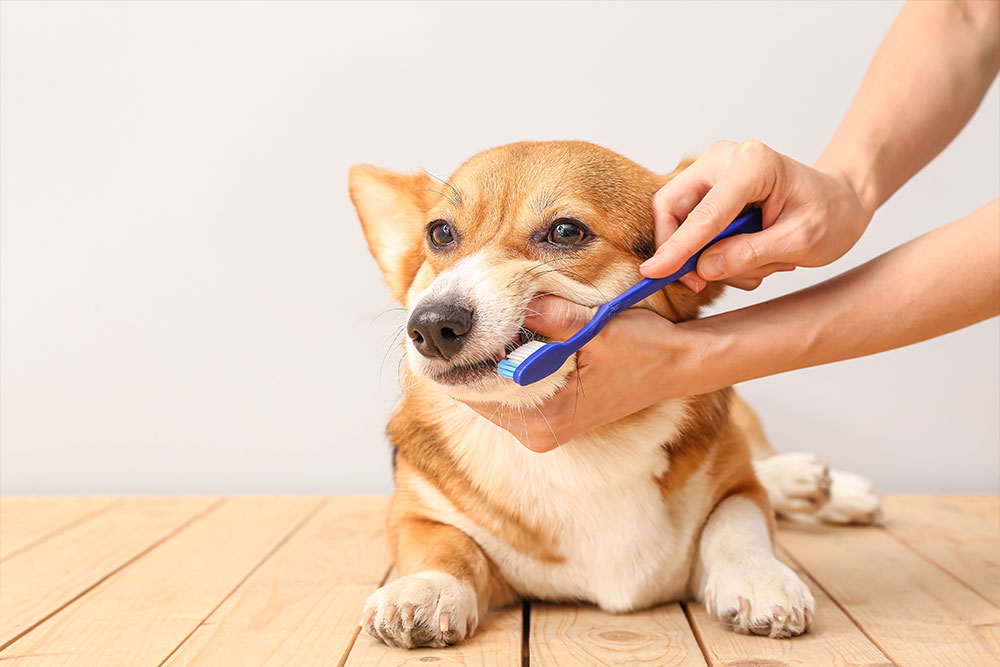
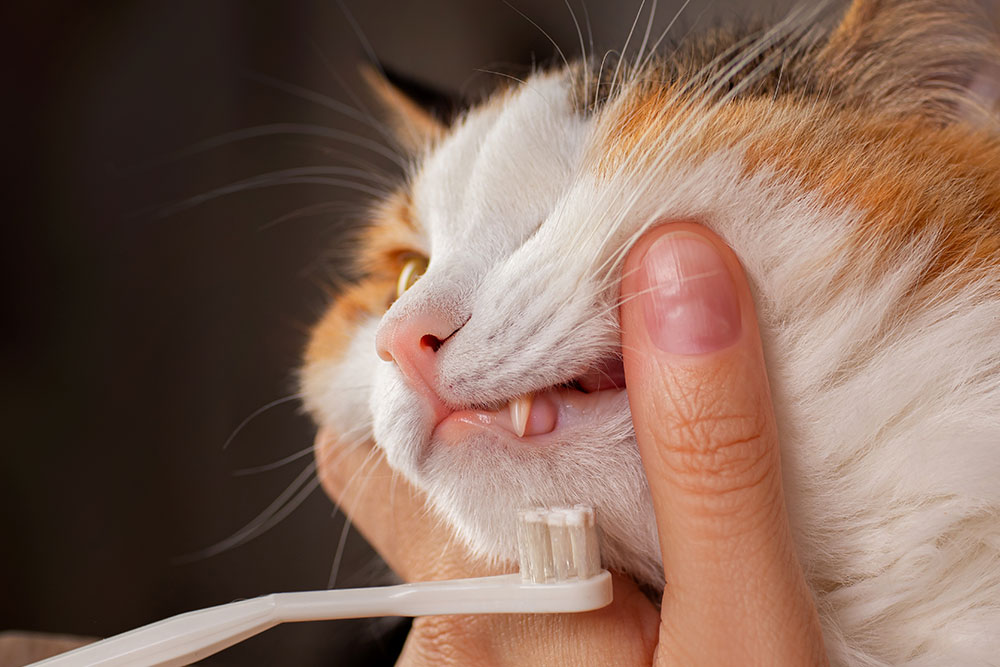
Nothing beats daily brushing for preventing plaque buildup. Use a pet-safe toothbrush and toothpaste. Never use human toothpaste, which contains ingredients toxic to pets.
Start slowly with gradual desensitization. Let your pet taste the toothpaste, then gently touch their gums with your finger. Progress to brief brushing sessions, using positive reinforcement and patience. Focus on the outer surfaces of teeth where plaque accumulates most.
Even a few seconds of brushing several times per week provides significant benefits for senior pets who tolerate the process.
Choosing Safe Chew Options
Senior pets need softer alternatives to protect aging teeth from fractures. Understanding the potential dangers of popular dog chews helps you avoid broken teeth, intestinal blockages, and choking hazards.
Avoid bones, antlers, and hard nylon toys. Use the thumbnail test: if the item doesn’t dent under your fingernail, it’s too hard for your pet’s teeth. Choose age-appropriate options and always supervise chewing sessions.
Products That Actually Work
The Veterinary Oral Health Council (VOHC) evaluates dental products for effectiveness. Look for the VOHC seal on packaging, and check their approved lists for cats and dogs when selecting dental diets, chews, and water additives.
These products have been scientifically proven to reduce plaque and tartar, taking guesswork out of product selection.
Professional Veterinary Dental Services: What to Expect
Why Anesthesia Matters for Thorough Evaluation
Anesthesia allows complete oral assessment that’s impossible in an awake pet. Following AAHA anesthesia and dental cleaning guidelines, we use individualized anesthetic protocols based on your pet’s age, health status, and medical history. All pets receive pre-anesthetic blood panels through our in-house laboratory to ensure their internal organs are healthy enough to undergo anesthesia.
Modern patient monitoring tracks heart rate, blood pressure, oxygen levels, and body temperature throughout the procedure. This comprehensive approach makes anesthesia safer than ever for senior pets.
Dental Radiography: Seeing Below the Surface
Visual examination only reveals half the story. Dental X-rays reveal that up to 60% of dental disease hides below the gumline.
Dental radiography detects resorptive lesions, root abscesses, bone loss, and retained root fragments. This imaging guides treatment decisions, ensuring we address all sources of infection and pain during a single anesthetic event.
The Complete Cleaning Process
Professional dental cleaning involves ultrasonic scaling to remove tartar above and below the gumline, followed by hand scaling to reach difficult areas. Subgingival cleaning addresses bacteria in periodontal pockets where disease progresses.
Polishing smooths enamel surfaces, making it harder for plaque to accumulate. When necessary, we perform extractions or restorative procedures during the same session, minimizing anesthesia exposure.
Pain Management and Recovery Support
We use a multimodal approach combining nerve blocks, NSAIDs, and appropriate antibiotic therapy. Soft diets and activity restrictions during the healing period ensure comfort and proper recovery.
Our team provides detailed home care instructions and remains available for questions throughout your pet’s recovery.
Recognizing Warning Signs That Require Veterinary Attention
Schedule an examination at the first sign of oral discomfort. Watch for:
- Persistent bad breath that doesn’t improve with home care
- Dropping food, chewing on one side, or eating more slowly than usual
- Red, swollen, or bleeding gums
- Excessive drooling or pawing at the mouth
- Visible tartar buildup or discolored teeth
- Swelling of the face or under the eye
Early intervention prevents minor problems from becoming major health crises. Request an appointment when you notice any of these signs.
Protecting Your Senior Pet’s Quality of Life
Dental health is not separate from overall wellness. It’s a cornerstone of it. Modern anesthesia protocols and patient monitoring make procedures safe for senior pets, and the benefits of maintaining oral comfort extend far beyond the mouth.
At Palisades Veterinary Hospital, our comprehensive services and commitment to relationship-driven care mean your senior pet receives personalized attention at every visit. We’re here to help your aging companion stay comfortable, active, and thriving.
Contact us today to schedule your senior pet’s dental evaluation and take the first step toward protecting their health, one tooth at a time.




Leave A Comment