How Do I Know If My Pet Is Dehydrated? Causes, Symptoms, and When to Call the Vet
Water makes up roughly 60 to 80 percent of your pet’s body weight, and even a small drop in hydration can start affecting how their organs function. Dehydration happens when fluid losses (from vomiting, diarrhea, overheating, illness, or simply not drinking enough) outpace what the body is taking in, and it can progress from mild to serious faster than you might expect.
The tricky part is that pets are good at hiding how they feel, so by the time you notice something is off, dehydration may already be moderate or severe. At Palisades Veterinary Hospital, our in-house laboratory allows us to assess hydration status, kidney values, and electrolyte levels quickly, so we can start treatment the same day if needed. If your pet is lethargic, not eating, vomiting, or seems “off,” call us at (480) 837-0082 or request an appointment so we can evaluate them before the situation worsens.
What Dehydration Does to Your Pet’s Body
Dehydration is not just about being thirsty. Water is the medium for virtually every biological process: it lubricates joints, transports nutrients into cells, carries waste out through the kidneys, regulates body temperature, and maintains blood pressure. When fluid levels fall even modestly, the cardiovascular system compensates by constricting blood vessels and increasing heart rate to maintain circulation. Continued loss overwhelms that compensation, and organ function begins to decline.
The kidneys are particularly vulnerable. Reduced blood flow triggers a cascade of hormonal responses that attempt to retain fluid, but in doing so can cause electrolyte imbalances that complicate recovery. This is why dehydration that accompanies kidney disease or vomiting requires more than just water at home.
What Causes Dehydration?
Environmental Causes
Fountain Hills and the greater Scottsdale area have one of the most challenging summer climates in North America for pet owners to navigate. Triple-digit temperatures from June through September, combined with low humidity that increases evaporative loss, create real risk for any pet spending time outdoors.
Practical heat safety tips during summer include limiting outdoor activity to early morning and evening, providing shade and water at all times outdoors, and recognizing that pavement temperatures can be significantly higher than air temperature. Arizona summers demand year-round vigilance for dogs who go on walks, play outdoors, or spend time in vehicles.
Even indoor pets can become dehydrated if water is not refreshed regularly or if they develop preferences for certain bowl types that lead to reduced drinking.
Health-Related Causes
Many medical conditions increase fluid loss or reduce water intake:
- Vomiting and diarrhea:among the most common causes of acute dehydration; even a few hours of GI illness can produce significant fluid loss, especially from canine parvovirus– one of the most dangerous dehydrating illnesses in unvaccinated dogs
- Chronic kidney disease:kidneys that cannot concentrate urine normally produce higher volumes, increasing fluid requirements; a common problem in senior cats
- Diabetes mellitus:increased urination from high blood glucose causes substantial fluid loss
- Fever:raises body temperature and increases fluid requirements substantially
- Hyperthyroidismin cats: elevates metabolic rate and associated fluid needs
- Pain or stress:can suppress drinking behavior significantly
Our internal medicine team is experienced in managing hydration as part of the treatment of these underlying conditions, not just as a standalone symptom.
Checking for Dehydration at Home
Two quick at-home assessments provide useful, though not definitive, information:
The Skin Tent Test
Gently pinch a small fold of skin on the back of the neck or between the shoulder blades and release it. In a well-hydrated pet, the skin snaps back immediately. In a dehydrated pet, the skin returns slowly or stays tented for a moment. This test is more reliable in dogs than cats, and elderly pets may have slightly reduced skin elasticity regardless of hydration status.
Checking Gum Moisture
Press a finger gently against the gum tissue and release. The pressed area should appear white briefly and then return to pink within one to two seconds (capillary refill time). Gums that are tacky or dry rather than moist, or that feel sticky to the touch, indicate dehydration. Pale gums that are very pale, white, or bluish-gray indicate a circulatory emergency regardless of hydration.
Important: These home tests are useful for awareness, not diagnosis. A pet who passes the skin tent test at home can still be clinically dehydrated by laboratory measurement.
Behavioral Signs of Dehydration
Dehydration is not always obvious from physical signs alone. Warning signs of dehydration include behavioral changes that are often the first signal:
- Unusual lethargy or unwillingness to engage with normal activity
- Reduced or absent appetite
- Increased panting at rest, particularly when not hot
- Seeking cool surfaces to lie on
- Less frequent urination than normal
- Increased drinking with excessive urination (paradoxically, this can indicate conditions causing dehydration, like diabetes and kidney disease)
Subtle changes from baseline matter. If your pet is acting differently from their normal self and you cannot identify an obvious explanation, dehydration from an underlying illness should be on the list of possibilities to evaluate.
When to Call Us or Go to Emergency Care
Call us at (480) 837-0082 for same-day evaluation:
- Vomiting or diarrhea that has occurred more than twice in a day
- Refusal to drink for more than 12 hours
- Lethargy that seems out of proportion to the heat or activity level
- Gums that feel tacky rather than moist
- Any concern in a puppy, kitten, elderly pet, or pet with a known medical condition
Seek emergency care immediately:
- Collapse or inability to stand
- Vomiting blood or producing dark, tarry stools
- Pale, white, or blue-tinged gums
- Confusion or disorientation
- Seizures
- If you know your pet has overheated (heatstroke can also cause organ damage that needs to be assessed, even after your pet has cooled down)
After our business hours, please go directly to the nearest 24-hour emergency veterinary facility. Do not wait for the morning if any of the emergency signs above are present.
How Dehydration Is Evaluated and Treated
What Happens at the Clinic
Veterinary assessment of dehydration goes well beyond the skin tent test. Our advanced diagnostics and in-house laboratory provide:
- Packed cell volume / total solids (PCV/TS): the most direct measurement of fluid concentration in the blood
- Electrolyte panel: assesses sodium, potassium, and chloride, which shift significantly with GI illness or prolonged dehydration
- Kidney values (BUN, creatinine): evaluate whether dehydration has affected kidney filtration
- Blood glucose and other chemistry: screen for underlying metabolic causes
This information guides the appropriate treatment route and fluid composition, since replacing fluid without correcting electrolyte imbalances can be insufficient or occasionally harmful.
Emergency care for moderate to severe dehydration typically involves intravenous fluids administered at a calculated rate based on estimated deficit, ongoing losses, and maintenance requirements. Mild dehydration with no underlying cause may be manageable with oral or subcutaneous fluids and careful monitoring.
At-Home Support While Contacting Us
While arranging to bring your pet in, a basic home exam helps you monitor progression and gives our team useful information:
- Note when vomiting or diarrhea last occurred and how many times
- Offer small amounts of water if your pet is alert and not vomiting
- Keep your pet cool and calm
- Note gum color and moisture level before you leave home
Do not give sports drinks or flavored electrolyte beverages for humans without veterinary guidance. The electrolyte concentrations appropriate for people are not appropriate for dogs and cats.
Preventing Dehydration
Daily Hydration Strategies
Water consumption varies by diet, activity level, and season. You can use a basic water intake calculator to have a general idea of how much water your pet should drink. Knowing how to hydrate your cat or dog effectively starts with understanding that most pets have preferences about how and where they drink. The following strategies increase consistent intake:
- Provide multiple water stations in different locations, particularly for cats, and position them away from food bowls and litter trays
- Refresh water twice daily, as pets often reject stale or warm water
- Consider a pet water fountain, since moving water encourages more consistent drinking in many cats and dogs; ceramic or stainless steel fountains are generally better tolerated than plastic ones
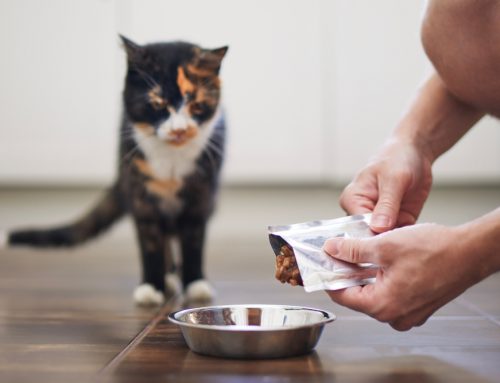
- Feed wet or canned food, which adds significant moisture compared to dry kibble
- During Arizona summers, add ice chips to bowls or offer frozen treats made from water or low-sodium broth
Bowl selection matters more than most people realize. Most pets prefer wide, shallow bowls that do not press against their face and allow them to see their surroundings. Glass, ceramic, and stainless steel are generally preferred over plastic, which can develop an off-taste over time. Filling bowls close to the brim encourages drinking in cats who dislike lowering their heads into a deep vessel. Some pets have strong individual preferences: a cat who ignores the water bowl may drink readily from a tall glass, a mug, or a raised basin.
Water temperature and type also vary by individual. Most pets do well with water at room temperature, but some prefer it chilled, and others are drawn to a dripping faucet. If your tap water has a strong taste from chlorine or mineral content, some pets drink noticeably more from filtered or bottled water. Offering both and observing which bowl empties faster tells you a lot.
Flavoring water is an underused strategy for pets who resist plain water. A small amount of low-sodium tuna juice, the liquid from poached chicken or fish, or a splash of low-salt broth can make water significantly more appealing. These additions should be avoided if your pet is on a prescription renal or urinary diet, where additional minerals could interfere with the formulation’s purpose.
Pets With Chronic Medical Conditions
For pets managing kidney disease, diabetes, hyperthyroidism, or other conditions that affect fluid balance, daily hydration requires more intentional management rather than leaving it to chance.
Maintaining hydration in cats with CKD is particularly critical because kidneys that cannot concentrate urine normally produce higher urine volumes, increasing daily fluid requirements beyond what a healthy cat would need. These cats are at significantly higher baseline dehydration risk and often need a combination of wet food, water stations throughout the home, and in some cases subcutaneous fluids administered at home to maintain adequate hydration. Cats with CKD, hyperthyroidism, or diabetes should have water available in every room they spend time in, particularly as they age and mobility becomes a factor.
For dogs and cats with diabetes, the excessive urination driven by high blood glucose depletes fluid faster than normal, making hydration especially important alongside glucose management. Pets with hyperthyroidism have elevated metabolic rates that increase fluid demands across the board.
For any pet managing a chronic condition:
- Track water intakeas a baseline: note approximately how much they drink on a typical day so you notice when it decreases
- Wet food as primary dietor as a supplement significantly increases passive fluid intake without depending on the pet to drink more
- Multiple water sourcesat different heights and locations accommodate reduced mobility in older pets
- Subcutaneous fluid therapyat home is appropriate for some patients with chronic kidney disease; our team can train you on this technique if your pet’s condition warrants it
- Regular recheck bloodworkmonitors kidney values and electrolytes so fluid needs can be adjusted as the condition progresses
If your pet has a diagnosed chronic condition and you are concerned about whether their hydration is adequate, a discussion with our internal medicine team can result in a specific daily fluid target and practical strategies for your household.
Monitoring for Concern
Weigh your pet monthly on a consistent scale. Unexplained weight loss of 5 to 10 percent over weeks or months often reflects inadequate hydration alongside reduced caloric intake. Preventing pet emergencies includes this kind of baseline monitoring that makes subtle changes detectable.
Annual preventative medicine visits give us the opportunity to assess hydration, discuss diet and water intake patterns, and adjust recommendations based on your pet’s age, breed, and any medical history. Our AAHA-accredited team integrates hydration counseling into every wellness visit because it is one of the most practical and high-impact things we can discuss.
Frequently Asked Questions
Can I just give my pet extra water at home if they seem dehydrated?
For very mild dehydration with no vomiting and normal behavior, encouraging water intake makes sense. But dehydration significant enough to produce visible symptoms, or dehydration accompanying vomiting or diarrhea, requires veterinary evaluation to determine the underlying cause and the appropriate fluid approach.
How do I know if it is heat exhaustion or just regular dehydration?
Heat exhaustion typically comes with rapid panting, drooling, and disorientation, often alongside elevated body temperature. Dehydration from illness more often presents with lethargy and reduced appetite without the acute distress of heat emergency. If you are not certain which is happening, treat it as an emergency and come in or call us.
My senior cat is drinking more than usual. Should I be concerned?
Yes, this is worth evaluating. Increased water consumption in older cats frequently signals kidney disease, diabetes, or hyperthyroidism, all of which alter fluid balance. Schedule a wellness check with bloodwork to screen for these conditions.
Can dry food cause dehydration?
Dry food has a moisture content of around 10 percent compared to 70 to 80 percent for wet food. Pets on exclusively dry diets rely entirely on drinking to meet their fluid needs. Some do this fine; others drink insufficient amounts, particularly cats. If your cat is on a dry diet and you are concerned about hydration, a wet food transition, soaking kibble in water, or supplementation is worth discussing.
Staying Ahead of Dehydration Together
Consistent hydration is one of the simplest and most impactful things that keeps your pet healthy across every season. In Fountain Hills and the surrounding area, where the climate makes hydration management a year-round challenge, staying attentive to your pet’s water intake and recognizing early signs of dehydration gives you the ability to act before mild becomes serious.
Contact us at (480) 837-0082 or request an appointment to discuss your pet’s hydration needs or schedule a preventive care visit.