
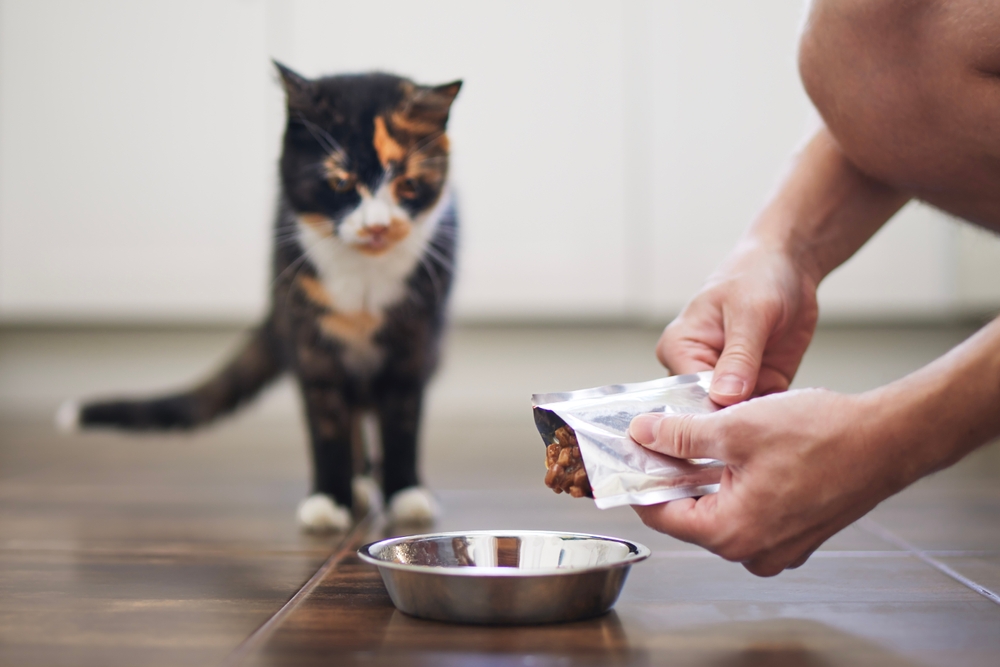
For most cats, canned food has the edge where the kidneys and urinary tract are concerned, and it comes down to water. Cats are obligate carnivores built to get most of their moisture from prey, and a weak thirst drive inherited from desert ancestors means a cat eating only dry food rarely drinks enough at the bowl to close the gap. Chronically concentrated urine is where crystals, bladder inflammation, and dangerous blockages start, and it also makes life harder for kidneys that are already aging. Still, dry food is not the villain it is made out to be: a complete, balanced kibble has a place, as long as the missing water is replaced somewhere else.
The wet-or-dry question comes up in our exam rooms at Palisades Veterinary Hospital nearly every time a cat is on the table, and there is rarely one right answer for every household. Our nutritional counseling and dietary evaluation for cats in Fountain Hills starts with your cat’s age, body condition, and medical history, and an in-house urinalysis tells us how concentrated the urine actually is. If you are second-guessing what is in the bowl, schedule a visit and we will build a feeding plan around your cat.
Wet, Dry, and Water in a Nutshell
- Wet food carries far more moisture than kibble, and that water keeps urine dilute enough to lower the risk of crystals, plugs, and painful bladder inflammation.
- Moisture matters just as much for aging kidneys, which lose their ability to concentrate urine and leave a cat dehydrating more easily than they used to.
- Cats are obligate carnivores, so certain nutrients like taurine can only come from animal tissue, which is why vegan and most raw diets are a poor fit.
- Measured feeding, a complete and balanced formula, and plenty of appealing water do more for long-term feline health than any single brand on the shelf.
What Does a Cat Actually Need From Their Food?
A cat’s body runs on animal tissue in a way a dog’s or a person’s doesn’t. Cats can’t make or convert certain nutrients from plants, so taurine, arachidonic acid, and preformed vitamin A have to arrive already built into their food from animal sources, and deficiency follows when they don’t. This is why sound feline nutrition guidelines start from animal protein rather than treating cats like small dogs. Those needs shift with age too, and feeding your cat or kitten looks different at each life stage.
Nutritional assessment is one of the areas evaluated when a hospital earns accreditation, and Palisades is an AAHA-accredited practice, so working through diet with you at every visit is a standard we’re held to rather than an add-on.
What Does the AAFCO Statement on the Label Mean?
The adequacy statement confirms the formula meets the life-stage nutritional standards set by AAFCO, which establishes those benchmarks without testing or approving individual products. Look for wording that names a life stage: growth for kittens, maintenance for adults, or “all life stages.” It’s the fastest way to confirm a food clears the baseline.
What Else Should I Look for on the Label?
Beyond the adequacy statement, reading a pet food label comes down to named animal proteins near the top of the ingredient list, plus taurine and omega fatty acids in the formula. Ingredient order reflects weight before cooking, so you want real chicken, turkey, or salmon leading the list rather than grains and starches.
Can Cats Be Vegan?
Physiology answers this one: no. Vegan diets aren’t appropriate for cats, because taurine deficiency alone can lead to heart disease and irreversible blindness, and plant sources can’t supply the amino acids and vitamins a cat needs in their active forms.
What About Raw Diets?
Raw feeding is popular, but the evidence gives us pause. Raw pet food diets carry a real risk of bacterial contamination for the cat and the people handling the food, and homemade versions frequently fall short on nutritional balance, a particular concern in homes with young children or anyone immunocompromised. If raw matters to you, it’s worth a conversation so we can weigh the risks against safer ways to reach the same goal.
Wet Food or Dry Food: Which Is Right for My Cat?
Both formats can be complete and balanced, and many cats do beautifully on a mix of the two. The best choice depends on the individual cat, their medical history, and what fits your routine. Weighing wet vs dry food comes down to moisture, quality, and consistency far more than format.
| Feature | Wet food | Dry food |
| Moisture content | High, roughly 70 to 80 percent | Low, around 10 percent |
| Kidney and urinary benefit | Strong, keeps urine dilute | Limited unless water intake is high |
| Convenience | Spoils quickly once opened | Stays fresh, easy to store |
| Portioning | Slightly harder to measure | Precise and simple |
| Calorie density | Lower per gram | Higher, easy to overfeed |
The Case for Wet Food
Wet food’s headline feature is water, and that single difference is what makes canned food directly protective for both ends of the urinary system. Dilute urine is less hospitable to the crystals, plugs, and inflammation grouped under feline lower urinary tract disease, and steady fluid intake takes real pressure off kidneys that are struggling to hold onto water.
The Case for Dry Food
Dry food earns its place on practicality. It stays fresh in the bowl for hours, portions out to the gram, and comes in dental formulations that help scrub teeth as a cat chews. The catch is calorie density: kibble packs a lot into a small volume, so free-pouring is an easy road to a heavier cat. If dry food is the main diet, a splash of canned food and plenty of fresh water fill the gap. When a veterinary-formulated option makes sense, we can order prescription and therapeutic diets through our pharmacy rather than leaving you to guess in the pet-store aisle.
How Does Diet Affect My Cat’s Kidneys and Urinary Tract?
Diet is one of the most powerful levers we have over both, and it works largely through moisture: diluting the urine lowers the concentration of dissolved minerals, prompts a cat to empty the bladder more often, and eases the workload on kidneys that can no longer conserve water well.
What Diet Does for Aging Kidneys
Chronic kidney disease is one of the most common conditions we manage in older cats, and one of the first things it takes away is the ability to concentrate urine. A cat with failing kidneys pours out dilute urine whether they can spare the fluid or not, which is why they drink more, urinate more, and slide into dehydration far more easily than a healthy cat would. Moisture in the food is a direct counterweight to that.
Therapeutic renal diets do more than add water. They restrict phosphorus, provide moderate amounts of high-quality protein, and add omega-3 fatty acids, and they remain one of the few interventions shown to meaningfully extend both survival and comfort in cats with kidney disease. Getting a cat to accept one is often the hard part, which is worth planning for early rather than during a crisis.
Catching it early is the other half. Urine concentration often shifts before blood values do, which is why a senior wellness panel pairs bloodwork and a thyroid profile with a urinalysis rather than relying on blood alone. Our in-house laboratory returns those results in minutes, and when values raise questions, our internal medicine services include ultrasound to evaluate the kidneys and bladder directly.
How Do Urinary Crystals Form?
When urine is too concentrated, dissolved minerals fall out of solution and clump into crystals, the way sugar crystallizes in over-saturated syrup. The two common types are struvite and calcium oxalate, and the distinction isn’t academic: the strategy that dissolves one can encourage the other, which is why guessing at a urinary diet without a confirmed crystal type is risky.
Crystals can also gather into a urethral plug, and in a male cat with his narrow urethra, a full blockage is a life-threatening emergency. A cat straining in the litter box and producing nothing needs emergency care right away, not a wait-and-see morning.
How Do I Get My Cat to Drink More Water?
A full dish doesn’t guarantee a well-hydrated cat. The trick is figuring out what your cat finds appealing, then making it easy to reach in more than one spot, which is worth revisiting when a long Fountain Hills summer arrives and the air conditioning runs for months.
- Bowl and placement: Many cats prefer a wide, shallow bowl so their whiskers don’t brush the sides, in ceramic or glass rather than plastic and filled near the brim. Keep it well away from the food and litter tray, and set out multiple stations so water is never far.
- Temperature, type, and flavor: Some cats drink more from filtered water when tap has a strong taste, and a splash of low-sodium broth or the liquid from a can of fish can tempt a stubborn drinker, though skip the flavoring if your cat is on a prescription renal or urinary diet.
- Moving water: Circulating water appeals to a lot of cats and can raise daily intake, so a pet fountain is often worth a try. Notice how quietly it runs and clean it often; some cats will happily drink from a dripping faucet but not a fountain simply because it’s quieter and fresher.
How Much Should I Feed My Cat?
For most cats, measured feeding rather than leaving a bowl out all day is the right approach, with the label’s guidelines as a starting point, not a fixed prescription. Excess weight isn’t just cosmetic; heavier cats face higher rates of urinary discomfort, diabetes, and joint strain.
At wellness visits we lean on the body condition score, feeling for the ribs and waist to judge whether a cat is lean, ideal, or carrying extra. It’s a better gauge than the scale alone, and we’re glad to show you how at home. Using your cat’s age, activity level, body condition score, and calories per cup of food, you can input the information into a calorie calculator to get an idea of how much to feed that is more accurate than what the bag tells you. Regular body condition scoring at home lets you know if you’re on the right track.
How Often Should a Cat Eat During the Day?
Cats are wired to hunt and eat many small meals rather than one or two big ones, so splitting their measured portions across three or four servings suits their instincts. Serving some of it through food puzzles turns a meal into a small hunt that keeps a bored indoor cat busy and takes the edge off the stress that feeds urinary and digestive flare-ups.
When Does Food Become Medicine?
Prescription diets are clinical tools that follow a confirmed diagnosis, not general upgrades for a healthy cat. The conditions that call for them include chronic kidney disease, urinary crystal disease, hyperthyroidism paired with kidney disease, and food allergy or inflammatory bowel disease.
Therapeutic urinary diets work by nudging urine pH into a range that discourages crystals, trimming the minerals that feed them, and encouraging more dilute urine. Like renal diets, they only work as the sole diet, which is why “just a few treats” can quietly unravel weeks of progress. Every topper and snack shifts the mineral balance the formula is calibrated to hold.
Food allergies are confirmed through elimination diet trials, feeding one carefully chosen diet and nothing else for several weeks to see whether the signs resolve. Chronic gut inflammation can turn into inflammatory bowel disease, and in some cats it can also mask intestinal lymphoma, so we confirm the picture with endoscopy and biopsy before committing a cat to a therapeutic food.
Does My Cat Need Supplements?
For a cat already eating a complete and balanced food, vitamins and supplements are rarely necessary, and piling fat-soluble vitamins on top of an adequate diet creates excess rather than benefit.
There are real exceptions. A cat with joint disease may benefit from a joint supplement, a skin condition can respond to added omega-3s, and a confirmed deficiency sometimes calls for targeted support. Those calls are best made case by case, especially in older cats managing more than one condition at a time. Ask us before adding supplements to your cat’s diet.
Why Won’t My Cat Eat Their Food Anymore?
A cat who suddenly snubs a food they used to love is usually telling you something, and it’s worth investigating why before reaching for a tastier can.
Sudden refusal often signals food aversion, linking that food with nausea or discomfort from an underlying problem rather than simple fussiness. Nausea from kidney disease is a frequent hidden driver in older cats. Dental pain is another commonly missed cause, and a cat who switches to soft food, chews on one side, or drops pieces mid-meal may have a sore tooth root that a dental exam will find quickly.
Once your cat has a clean bill of health and is simply being particular, a few gentle tactics tend to work:
- Warm it slightly: A few seconds of warming releases aroma, and cats eat with their nose first.
- Offer texture variety: Pate, chunks, or shreds within the same nutritional category give a picky cat options without a full diet change.
- Mind the dish and the setting: Shallow, wide dishes in a quiet spot away from foot traffic help an anxious eater settle.
- Transition slowly: Move between foods over 7 to 10 days, mixing more of the new into the old, so nothing feels abrupt.
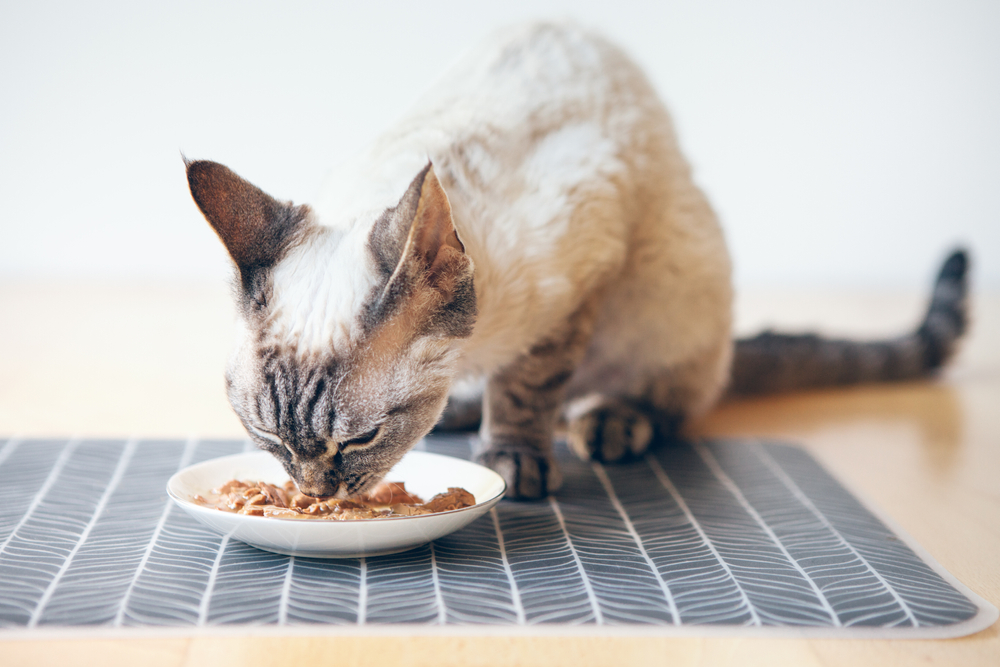
Frequently Asked Questions About Cat Nutrition
Does dry food cause urinary problems in cats?
Dry food doesn’t directly cause urinary disease, but it offers little moisture, so a cat on kibble alone may keep their urine more concentrated than is ideal. Kibble can still work well when a cat drinks plenty or gets some canned food alongside it. If your cat has a urinary or kidney history, that’s worth a conversation about adding moisture wherever we can.
Is grain-free food better for my cat?
Not necessarily. Grain-free became a marketing trend more than a nutritional need, and cats digest properly cooked grains without trouble. What matters far more is named animal protein, a matching AAFCO adequacy statement, and overall balance. Don’t assume “grain-free” means “healthier”; let the whole label guide you rather than one word on the front.
Can I feed my cat both wet and dry food?
Absolutely, and many cats thrive on a combination. Mixing formats gives you the hydration benefit of canned food with the convenience and dental perks of kibble. You can serve them at separate meals or offer both, just be sure to account for the combined calories so the total stays measured. If your cat is on a prescription diet, check with us first.
Feeding Your Cat as Everyday Preventive Care
What your cat eats every day quietly shapes their kidneys, bladder, heart, weight, and comfort for years, which makes the bowl one of the most practical places to invest in their health. The right diet for their age, weight, and medical history isn’t about chasing a trendy brand; it’s a steady, balanced plan built around your individual cat. If you’d like a fresh set of eyes on the menu, a wellness visit that includes a nutrition check at Palisades Veterinary Hospital in Fountain Hills is a great place to start. Have a question in the meantime? Reach out and we’ll help you sort it out.




Leave A Comment