
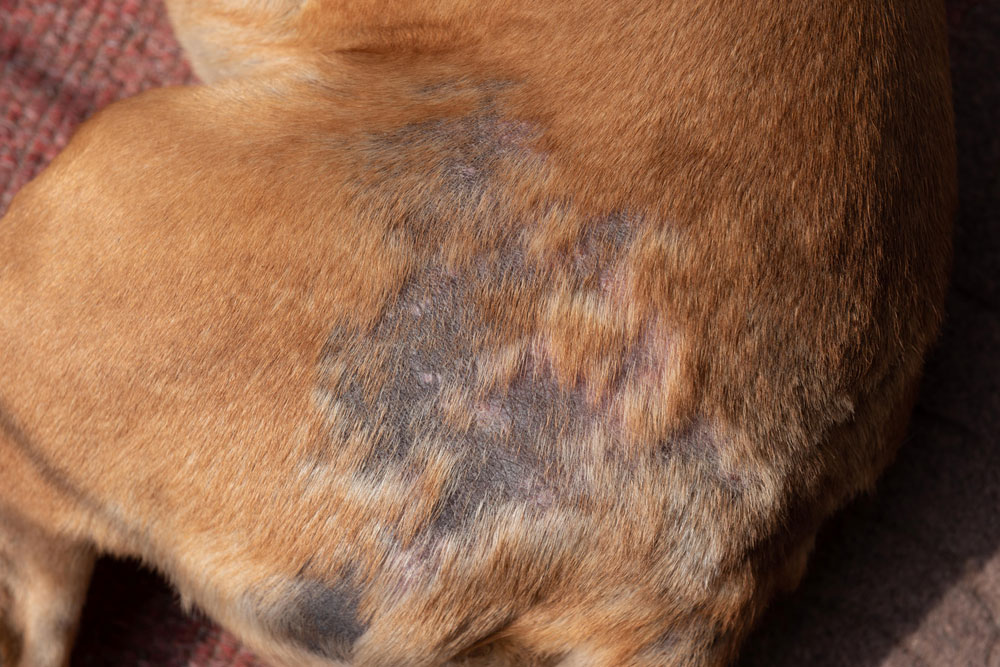
Bald spots on your dog or cat can absolutely be a thyroid problem, and hypothyroidism is one of the most common hormonal reasons dogs lose coat in a symmetrical, non-itchy pattern along the flanks, chest, and tail. Cats have their own version of this story, with hyperthyroidism causing coat changes and grooming trouble in older cats. Not every bald patch is hormonal, though. Fleas, mange, ringworm, allergies, and secondary infections cause hair loss too, and they usually come with itching, redness, or scabs that the endocrine causes do not. Telling them apart takes bloodwork for the hormones and a close look at the skin for the rest.
Palisades Veterinary Hospital in Fountain Hills works up hair loss with the thyroid panel, chemistry, urinalysis, and skin testing that separate an endocrine cause from a skin one, and we run most of the testing in our own AAHA-accredited facility. When the workup points toward chronic disease, our internal medicine capability lets us build a treatment plan together and monitor how the coat responds over the following months. If your dog or cat’s coat is thinning and you are ready for an answer, schedule a visit and we will take it from there.
The Short Version on Thinning Coats
- Hair loss is a symptom, not a diagnosis, and the cause ranges from hormones to fleas to stress, so the pattern and the itch level matter as much as the bald spot itself.
- Endocrine causes like hypothyroidism and Cushing’s disease tend to thin the coat symmetrically without much scratching, while allergies, parasites, and infections usually bring itching, redness, and scabs.
- Most cases improve significantly once we identify the cause, whether that means a thyroid pill, parasite control, an allergy plan, or better nutrition.
- A workup usually combines a skin exam, in-house testing, and bloodwork, and following up to confirm regrowth is a real part of the plan.
Which Changes Mean It Is Time to Book a Visit?
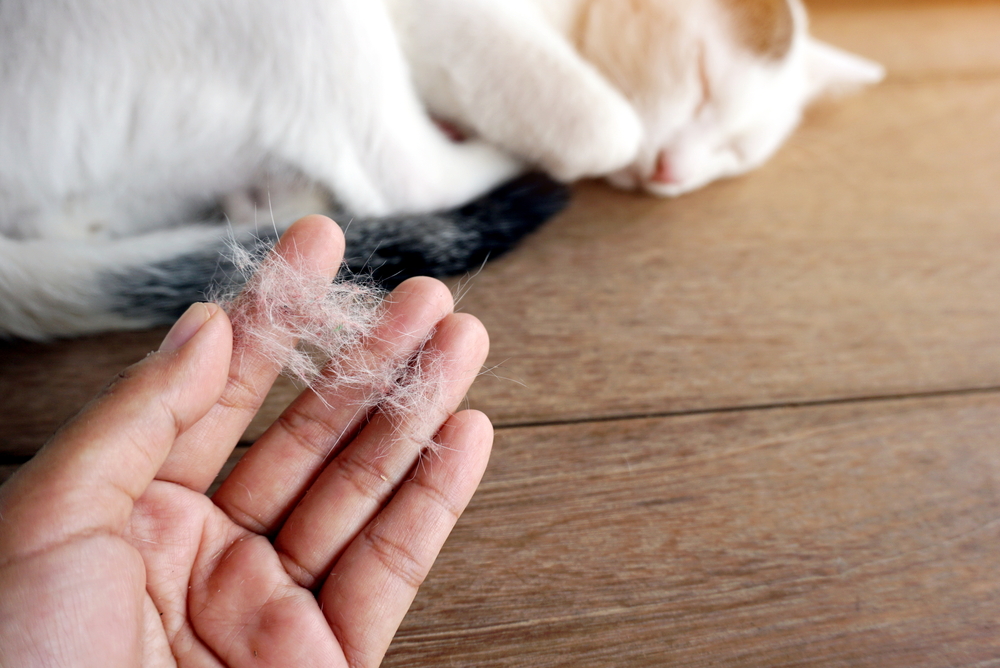
Book a visit when hair loss concentrates in patches, leaves bare or inflamed skin, or comes with constant scratching or licking. Normal shedding is the coat’s regular turnover, heaviest in spring and fall, spread evenly over the body with no bald skin showing through. Changes outside that pattern deserve an exam.
The word alopecia simply means hair loss, and it is a symptom pointing to an underlying problem rather than a diagnosis on its own. A few signals separate normal shedding from the kind worth evaluating:
- Barbering: fur that looks chewed or broken off short, usually from a pet licking or nibbling the same spot.
- Patchy or localized thinning: bald areas that show up outside the usual seasonal pattern.
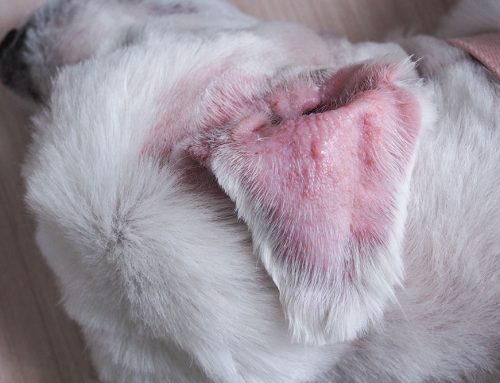
- Skin changes: redness, scaling, scabs, or darkened skin under the thin fur.
- Hair that does not regrow: a bare patch that stays bare for weeks.
- Focused scratching or licking: attention aimed at one area rather than an all-over itch.
Our team works up coat problems with in-house lab testing, imaging, and the wellness exams that include a full skin and coat check at every visit, so we can sort the everyday from the concerning.
Could a Hormone Problem Be Behind My Pet’s Symmetrical Hair Loss?
When hair thins evenly on both sides of the body and your pet is barely scratching, hormones are often the reason. Endocrine hair loss tends to be slow and symmetrical, sparing the head and legs while thinning the flanks, chest, and tail, and it creeps in so gradually that many families do not notice until the coat is visibly sparse. Our internal medicine expertise allows us to do the right testing when hair loss suggests a hormonal or endocrine imbalance.
What Thyroid and Adrenal Conditions Do to the Coat
In dogs, hypothyroidism means the thyroid is producing too little hormone, and a dull, thinning coat often shows up alongside low energy and creeping weight gain. It is one of the most common hormonal causes of coat loss in dogs, and it responds well to a daily replacement pill. Older cats can develop hyperthyroidism, which often shows up as a patchy, unkempt coat alongside weight loss, a big appetite, and restlessness.
Cushing’s disease runs the opposite direction, with too much cortisol. Its look is distinct: a pot-bellied appearance, increased thirst and appetite, panting, and thin skin along with the hair loss.
How Sex Hormones and Topical Creams Fit In
Intact males can develop symmetrical hair loss when testicular tumors start pumping out excess estrogen, and neutering often reverses the coat changes once the source is removed. Unspayed females can show similar thinning from the hormonal swings around their cycles, and spaying frequently resolves it.
There is also a cause that surprises many families: your own medicine cabinet. Pets can absorb hormones from hormone replacement creams and gels, either through skin-to-skin contact or by licking the spot where you applied it. If anyone in the home uses a topical estrogen or testosterone product, mention it, because it can point us straight at the answer.
Why Routine Blood Work Matters for Coat Health
Hormone imbalances usually show up on blood tests before they show up in the mirror. That is the quiet value of routine blood work during wellness visits: baseline numbers make it far easier to spot a thyroid value drifting the wrong way, often long before the coat looks obviously thin. For senior pets especially, that early catch can change how comfortable the next few years feel.
Do Allergies Belong on the List of Suspects?
Allergies are a common cause of hair loss, because an immune system that overreacts to a trigger drives the itching, and it is the scratching and licking that actually break the hair and open up bald spots. They are one of the most frequent reasons pets lose hair, and the damage is usually self-inflicted.
The trigger is often something completely ordinary, and the reaction it sets off turns into inflammation and a persistent itch. The culprits fall into a few big categories:
- Environmental allergens like pollen, dust, and mold drive atopic dermatitis, which often shows up on the face, paws, belly, and ears. Around Fountain Hills that means the spring mesquite and palo verde bloom and the dust that blows in with monsoon season, which is why itchy skin tends to cluster in certain months here.
- Food allergies usually trace back to a protein your pet has eaten for a while, not a new one. Symptoms of food allergy can be nearly identical to environmental allergies, and some pets have both, making diagnosis challenging without proper testing.
- Flea saliva is a category all its own. Dogs tend to chew their rear ends and flanks raw, while cats more often groom their bellies and legs bare or break out in tiny scabs. Flea allergy dermatitis is especially common in a warm climate like ours, where a single bite can set off intense itching in a sensitized pet.
Long-term allergy management is rarely one thing. It often combines medicated baths, omega-3 support, anti-itch medications, and sometimes an elimination diet or formal testing to pin down the trigger. If your pet is caught in a recurring cycle of itch and hair loss, an allergy workup is the place to start.
When Is a Parasite or Skin Infection the Culprit?
Suspect a parasite or infection when the hair loss arrives with scabs, odor, circular patches, or an itch that will not quit. Even strictly indoor pets are fair game, and several of the culprits are invisible to the naked eye. Once skin gets inflamed, the bacteria and yeast that normally live on the surface can overgrow and pile a secondary infection on top of whatever started the problem.
Here are the common offenders:
- Demodex mites: mites that live down in the hair follicles are far too small to see without a microscope, yet an overgrowth can leave a pet with thinning, patchy fur.
- Sarcoptic mange: an intensely itchy, highly contagious mite infestation that often hits the ear margins, elbows, and belly first.
- Fleas: they bite, itch, and drive the scratching that thins the coat, even when you never spot an actual flea.
- Bacterial and yeast overgrowth: surface organisms multiply on inflamed skin, adding odor, greasiness, and more hair loss to the picture.
- Ringworm: not a worm at all but a fungus that leaves circular bald patches and spreads to people and other animals in the home.
When we need to confirm what is living on or under the skin, skin scrapings, cytology, and fungal cultures give us the answer.
Does My Pet’s Breed Put Them at Higher Risk?
Yes, for a handful of specific conditions. Some dogs inherit coat problems that cannot be cured but can be managed comfortably, and knowing your breed’s tendencies helps set realistic expectations. These are diagnoses of exclusion, though, which means we rule out the treatable causes above before landing here, and management centers on supportive skin care, good nutrition, and sometimes light therapy rather than a cure.
- Color dilution alopecia: dogs with dilute coats, such as blues and fawns, can inherit this condition, where the same gene that softens the color also leaves the hair fragile and prone to thinning.
- Seasonal flank alopecia: this pattern causes symmetrical bald patches on the flanks that often come and go with the daylight and regrow on their own.
- Sebaceous adenitis: an immune-related loss of the skin’s oil glands, leaving a dry, flaky coat that needs ongoing skin support.
- Zinc-responsive dermatosis: crusting and hair loss that improve with zinc supplementation in dogs whose bodies cannot use dietary zinc well.
My Pet Keeps Licking One Spot Bald. Is It Stress or Pain?
A stressed pet will lick, chew, and pull at the same spot until the coat is gone. The triggers are usually the kind of thing that upends a pet’s routine: a new dog or cat, a move, construction noise, or a change in the household.
Psychogenic alopecia is the term for a cat who grooms away her own fur in response to stress, leaving smooth, thin patches on the belly or legs where the skin underneath looks perfectly normal. We diagnose it by ruling the medical causes out first, not by assuming. Dogs do a version of this too, often licking one spot on a leg raw until it forms a lick granuloma.
Pain is the other driver, and it is easy to miss, because pets will groom over an area that hurts even when the skin looks fine. A cat with idiopathic cystitis may lick her belly bald over a sore bladder. A dog or cat with osteoarthritis may groom a stiff, aching joint. Pain-driven and stress-driven grooming look identical from across the room, which is exactly where advanced diagnostics earn their keep.
What Should I Expect When We Investigate the Cause?
A hair loss workup is methodical, not mysterious, and knowing the steps takes the worry out of the visit. We start with a detailed history and a physical exam, mapping exactly where the fur is thin and how itchy your pet is, because that pattern narrows the list fast.
From there, the testing follows the clues. In-house cytology puts surface skin cells under a microscope and quickly spots the bacterial or yeast overgrowth that so often rides along with hair loss. Skin scrapings hunt for mites, and a fungal culture is run when ringworm is on the table. If the pattern points at hormones, blood work and endocrine panels come next, and when allergies are the suspect, we may move to elimination diets or formal testing. Running much of this through our in-house lab for same-visit results keeps the answers moving quickly.
Once We Have the Diagnosis, What Fixes the Coat?
What fixes the coat depends entirely on what caused the problem, because so many different conditions produce alopecia that no single cream or pill fits them all. Once we know the cause, we map out treatment matched to the specific diagnosis and monitor how the coat responds.
| Cause | What treatment usually looks like |
| Allergies | Anti-itch medication, medicated baths, omega-3s, diet trials |
| Parasites | Prescription parasite control and mite-specific therapy |
| Infections | Antibiotics or antifungals, plus treating the underlying trigger |
| Hormonal conditions | Thyroid replacement, cortisol management, or spay/neuter |
| Stress or pain grooming | Addressing the source, enrichment, pain relief |
| Nutritional gaps | Diet adjustment and targeted supplementation |
The step families sometimes skip is the follow-up. Rechecks confirm the fur is actually regrowing, let us fine-tune medications, and catch any secondary infection before it takes hold. Coat regrowth is slow, so patience is part of the plan.
Your Questions About Pet Hair Loss, Answered
How long does it take for my pet’s fur to grow back?
Regrowth is slow, and it depends heavily on the cause. Once the underlying problem is under control, you might see fuzz within a few weeks, but a full coat can take a couple of months or more. Hormonal cases lag the most, since the coat only rebounds after hormone levels are stable. Patience and consistent follow-up matter most here.
Is my pet’s hair loss contagious to me or my other pets?
Some causes are, and some are not. Ringworm and sarcoptic mange spread to people and other animals in the home, which is why we confirm them rather than letting anyone panic or, just as importantly, assume a bald patch is harmless. Hormonal, allergic, and stress-related hair loss are not contagious at all. Once we identify the cause, we will tell you exactly what precautions make sense.
My pet isn’t scratching at all. Can it still be a skin problem?
Absolutely. A non-itchy, symmetrical thinning is actually the hallmark of hormonal causes like hypothyroidism, not a sign that nothing is wrong. Some breed-related and nutritional problems skip the itch as well. The absence of scratching is a useful clue, not an all-clear, and it often points us toward needing bloodwork rather than a skin scrape.
Let’s Bring Your Pet’s Coat Back to Full and Healthy
Whatever is thinning your pet’s coat, there is almost always a clear path forward, and most cases improve significantly once we know the cause. Whether the driver is scratching, quiet overgrooming, or a slow symmetrical fade, the answer starts with a diagnosis and a plan tailored to your dog or cat. Our team runs the full diagnostic picture and stays with you to watch the coat come back.
If something about your pet’s coat has you puzzled, schedule a visit to talk through the coat changes you are seeing and we will figure it out together.




Leave A Comment